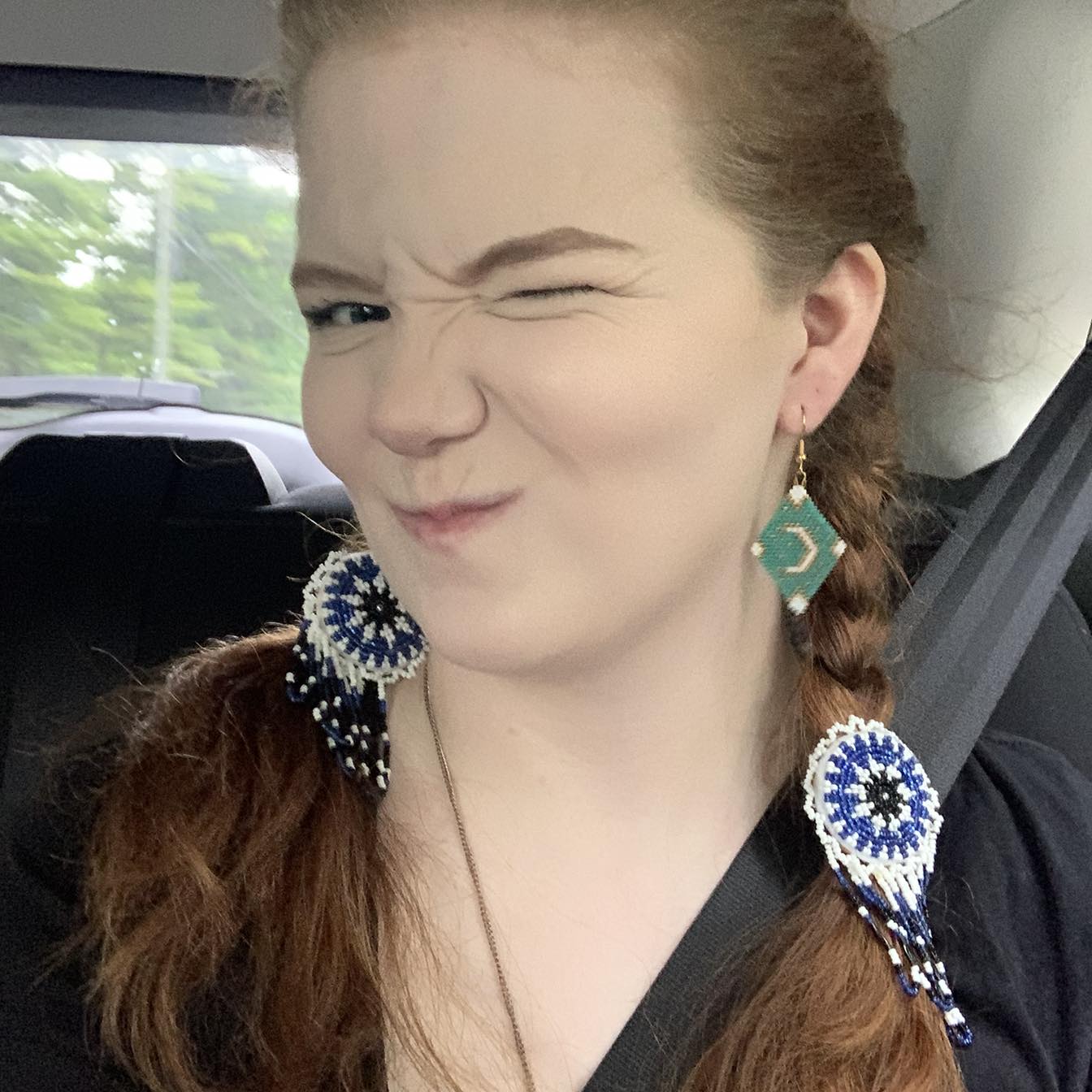


A HERITAGE MISSISSAUGA PROFILE ON TAYSIA LAFORME
WRITTEN BY: MEGHAN MACKINTOSH
Taysia grew up in Brantford, Ontario, spending many of her childhood summers on the Mississaugas of the Credit lands. As a researcher, she now returns to those histories through archives, books, and community knowledge, often working with materials written by missionaries or colonial officials.
“So much of our history was written by colonizers,” she explains. “You have to learn to read what’s there, but also to notice what’s missing.”
That work requires patience and discernment. Many sources carry bias or erase Indigenous voices altogether. Part of her role has been identifying those gaps and finding ways to address them responsibly.
One of her major projects has involved contributing to a revised edition of In the Footsteps of the Mississaugas (2006) by Marian M. Gibson, a publication originally released in 2005. Her work has included updating research, revising language that no longer reflects respectful or accurate terminology, and adding sections that reflect Indigenous perspectives more fully.
“Language matters,” she says. “The words you choose shape how people understand history.”
She has also researched treaties, Indigenous participation in major conflicts such as the War of 1812 and the World Wars, and contemporary cultural practices. Her focus is not only on accuracy, but on accessibility.
“I know most people aren’t going to dig through hundreds of pages,” she says. “So if the information is already there, clear and understandable, it becomes easier for the next generation to learn.”
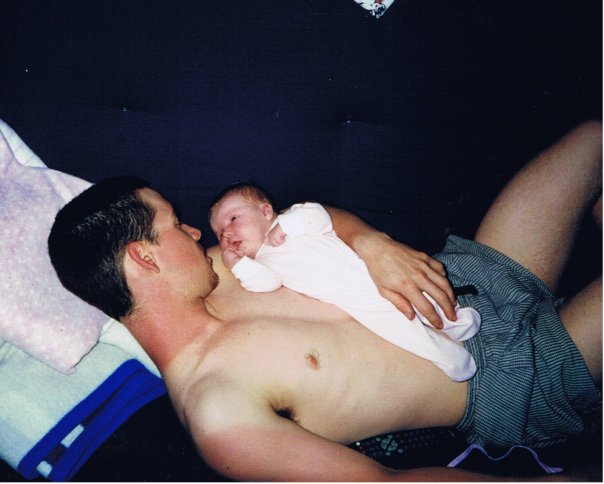
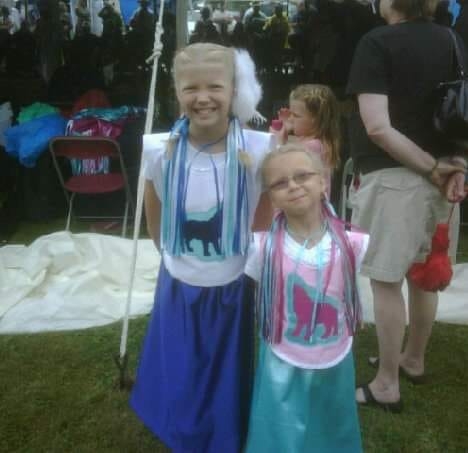
Taysia is open about what it means to live between worlds. She does not live on reserve. She is white-presenting. And she is aware of how those realities affect how her voice is received.
“I’m never going to fully fit in one place or the other,” she reflects. “So I work where I am, with what I have.”
Rather than seeing this as a limitation, she treats it as responsibility. She uses her access and education to advocate for issues that continue to affect Indigenous communities, including infrastructure, healthcare, clean water, and education. She challenges misconceptions when they arise and insists on asking questions others might avoid.
“Why do we think this way? Why do we do things this way?” she asks. “If you don’t ask, nothing changes.”
Her approach is grounded and deliberate. Advocacy, for her, is not about volume. It is about persistence and clarity.
Some of the most difficult research Taysia has undertaken has focused on residential schools. Writing public-facing material on the subject required her to sit with historical documents that were deeply painful, including language used by those in power to justify the system.
“It was emotionally rough,” she says. “I needed time afterward just to decompress.”
That work also brought her closer to understanding her own family history. Only recently did she learn that her father and uncles attended a residential school, something that had never been openly discussed.
“Understanding the history helps me understand my dad,” she says. “It helps explain silences and distance that were never really talked about.”
She speaks thoughtfully about generational trauma and the ways care has been passed along within her family, including adoption and shared responsibility for children when parents were unable to provide stability. These experiences are not separate from her research. They inform how she approaches it.
“This isn’t academic,” she says. “It’s about real people. Real families. And the impacts are still here.”
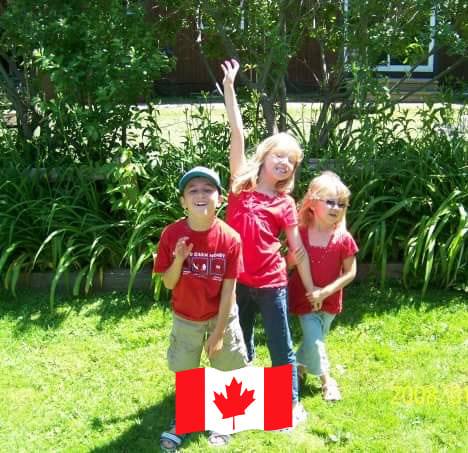
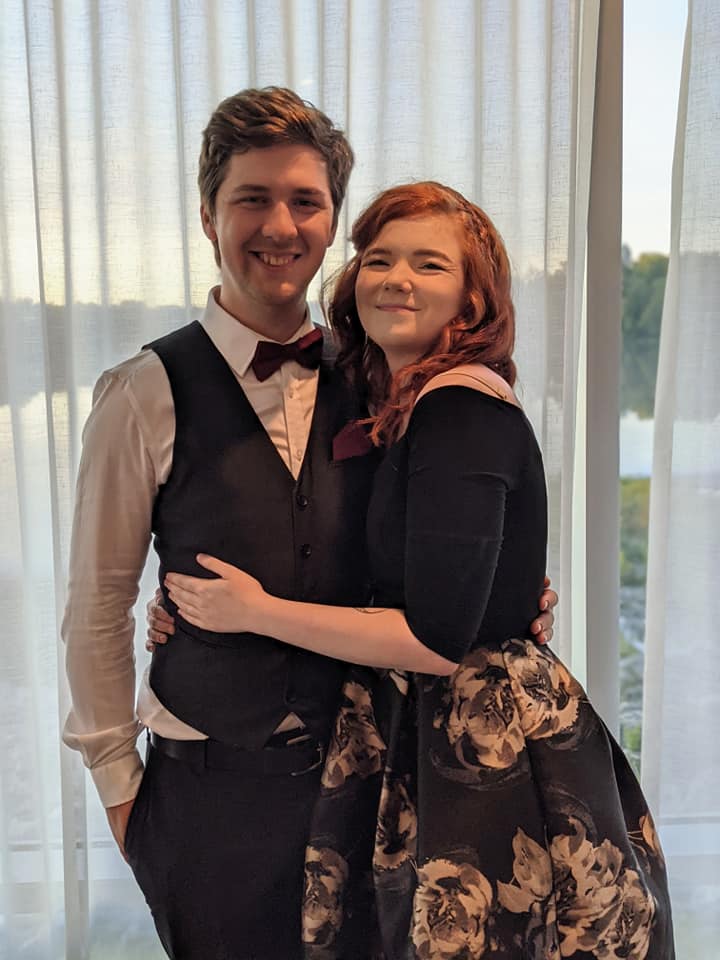
Outside of formal research, Taysia maintains connection through creative and cultural practices. She has recently begun beading, a skill she admired for years before attempting herself. She attends powwows when she can and shares what she learns with friends, family, and younger community members.
“The most traditional thing I do is pass information on,” she says.
For Taysia, learning is not something that ends with age or experience. It is an ongoing responsibility.
“You can never stop learning,” she reflects. “Understanding, patience, and compassion are things you choose to keep working at.”
That belief shapes how she understands Indigenous culture and community spaces. She describes powwows as places of welcome, shaped by shared experience rather than exclusion.
“We know what it’s like to be outsiders,” she says. “So when people come to a powwow, they feel like they belong.”
To her, these gatherings are not just celebrations, but living expressions of continuity. They honour family, history, and identity, while affirming a culture that endured despite repeated attempts to erase it.
“It’s important that this history is taught and passed on,” she says. “It’s a story of resilience, courage, and non-conformity.”
Taysia does not describe her work as extraordinary. She sees it as necessary.
Her hope is that Indigenous histories will continue to be written with care, accuracy, and respect, and that they will remain accessible to community members, future researchers, and the public.
For her, history is not only about looking back. It is about carrying knowledge forward, intact and alive.