905-828-8411 [email protected]

Paula Laing

Finding the Way Back

Returning to land, language, and belonging

A HERITAGE MISSISSAUGA PROFILE ON PAULA LAING

WRITTEN BY: MEGHAN MACKINTOSH

“My English name is Paula. My Ogweho:weh name is Ahwenhneha — meaning she is knowing of the waters.”

“I am Mohawk Nation, Turtle Clan on my mother’s side, and Scottish/Irish on my father’s side.”

She takes a second before continuing.

Paula Laing’s story doesn’t begin in one place.

She was born in Kitchener, grew up between Hamilton and Ottawa, and lived in twenty-one different homes along the way. Movement was constant. There wasn’t one version of home. It shifted.

“I look back on that now and think about how that affected me,” she says. “I never wanted to move again.”

Later, when she returned to Six Nations of the Grand River, that feeling stayed with her. It wasn’t just about coming back. It was about choosing something different.

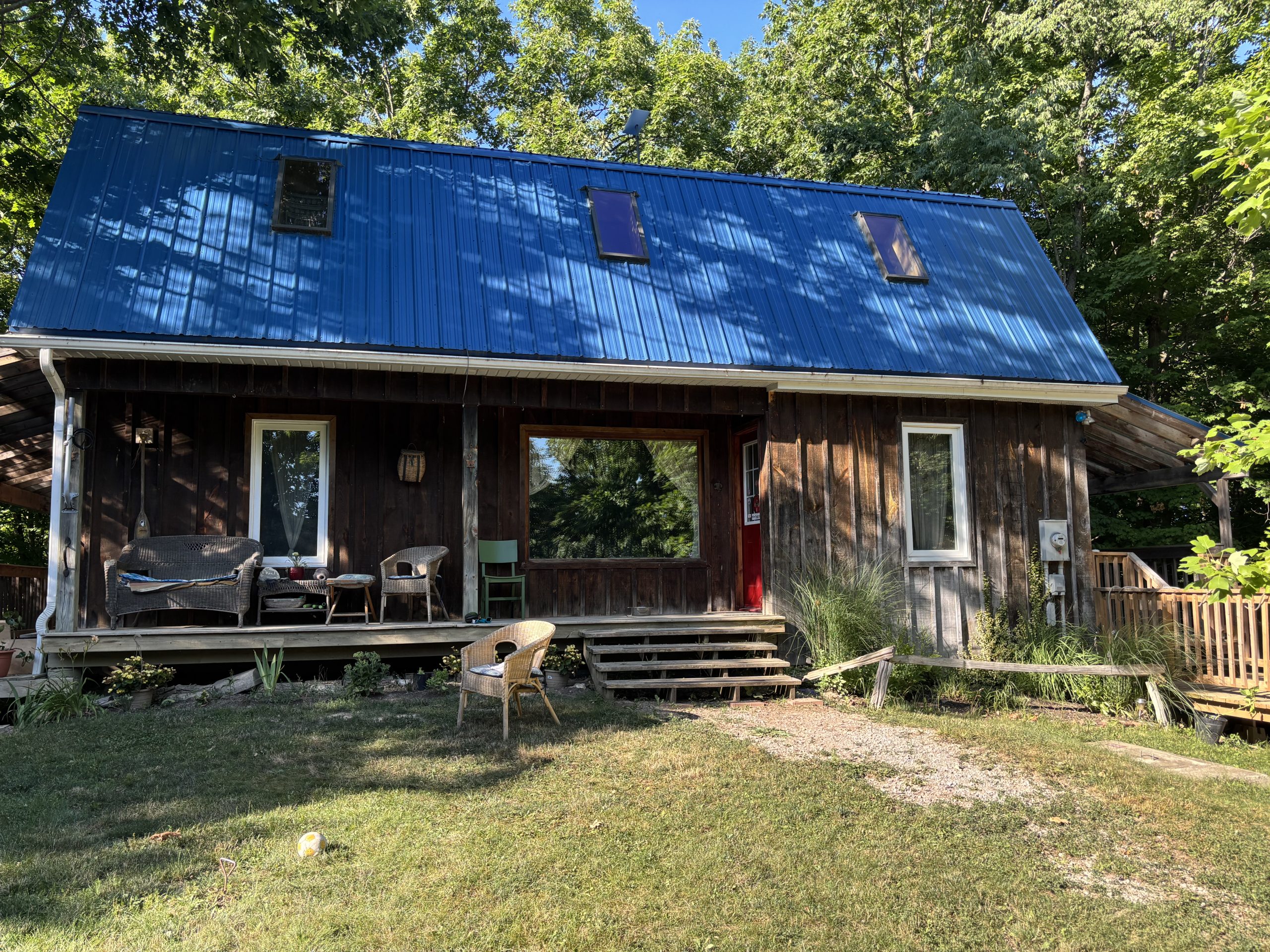
She built a home on the land. Made a different choice for her own children.

“I want my kids to have one place, one home.”

“I wanted my kids to grow up feeling like they had roots planted in this earth and a community where they felt they belonged.”

That return didn’t happen all at once. It was slower than that. Something she kept moving toward, even before she fully named it.

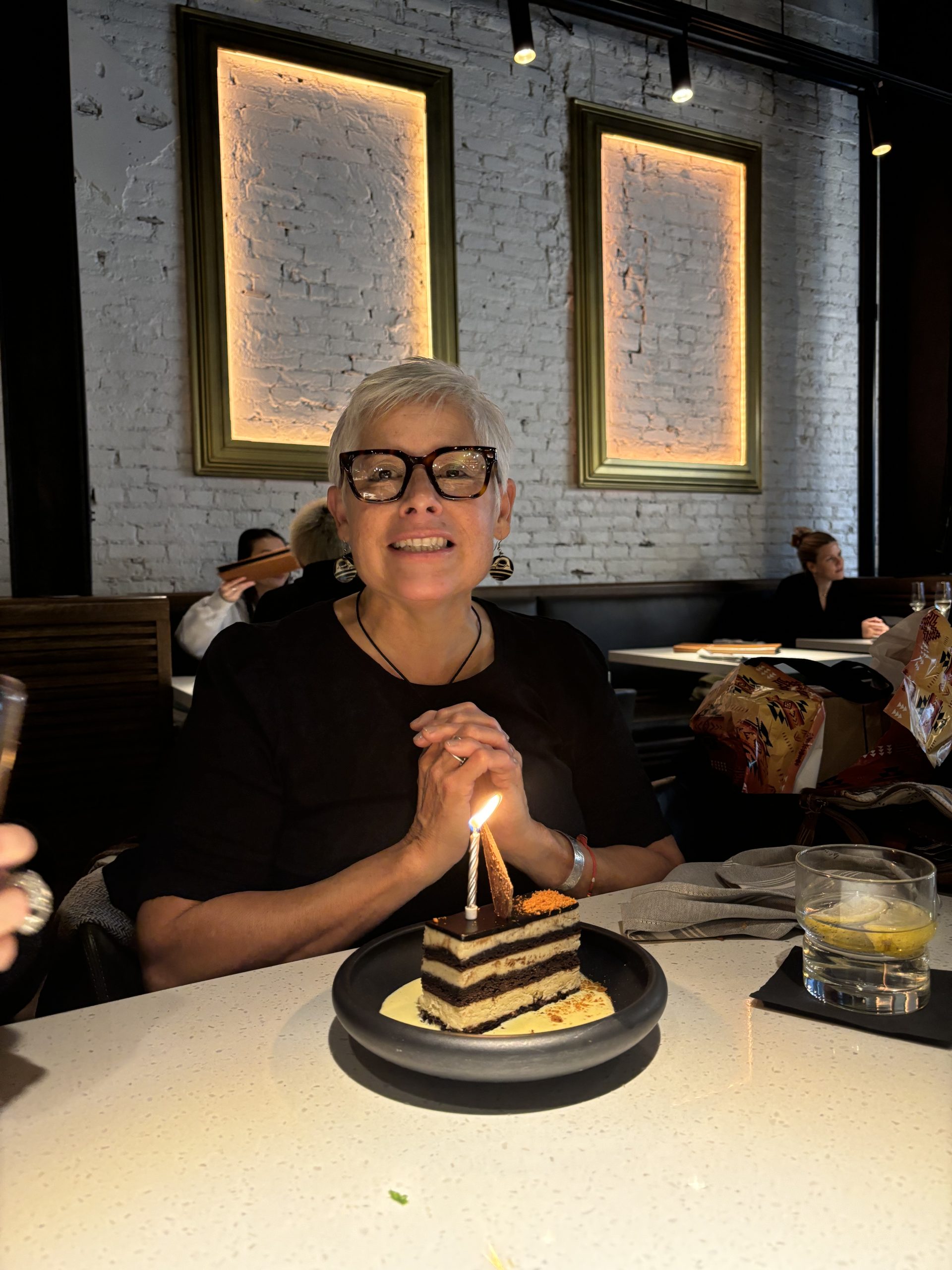
Paula Birthday Cake
IMG_3774
IMG_3770
IMG_4149

Growing Up Between Worlds

Paula always knew who she was.
“We always knew we were Native. That was never hidden. My mom was really proud of who she was.”
Her mom was born and raised on Six Nations before moving off-reserve. They went back often to visit, but day-to-day life was somewhere else.
“We didn’t have a lot of teachings,” Paula says. “That’s what colonization did.”
There was pride, but there were also gaps. Language wasn’t something she grew up speaking. Ceremony wasn’t always part of daily life.
At the same time, her childhood was full. Her mom made sure all five kids were involved in something.
“We were all speed skating. We all learned how to ski. Everybody was doing something.”
But underneath that, there was a lot of adjusting. Moving. Starting over. Figuring out where you fit each time.
Looking back, it makes sense to her now.
That feeling of being between worlds didn’t start later. It was always there.

What Was Carried Forward

Some things were known in her family. Other things weren’t talked about.
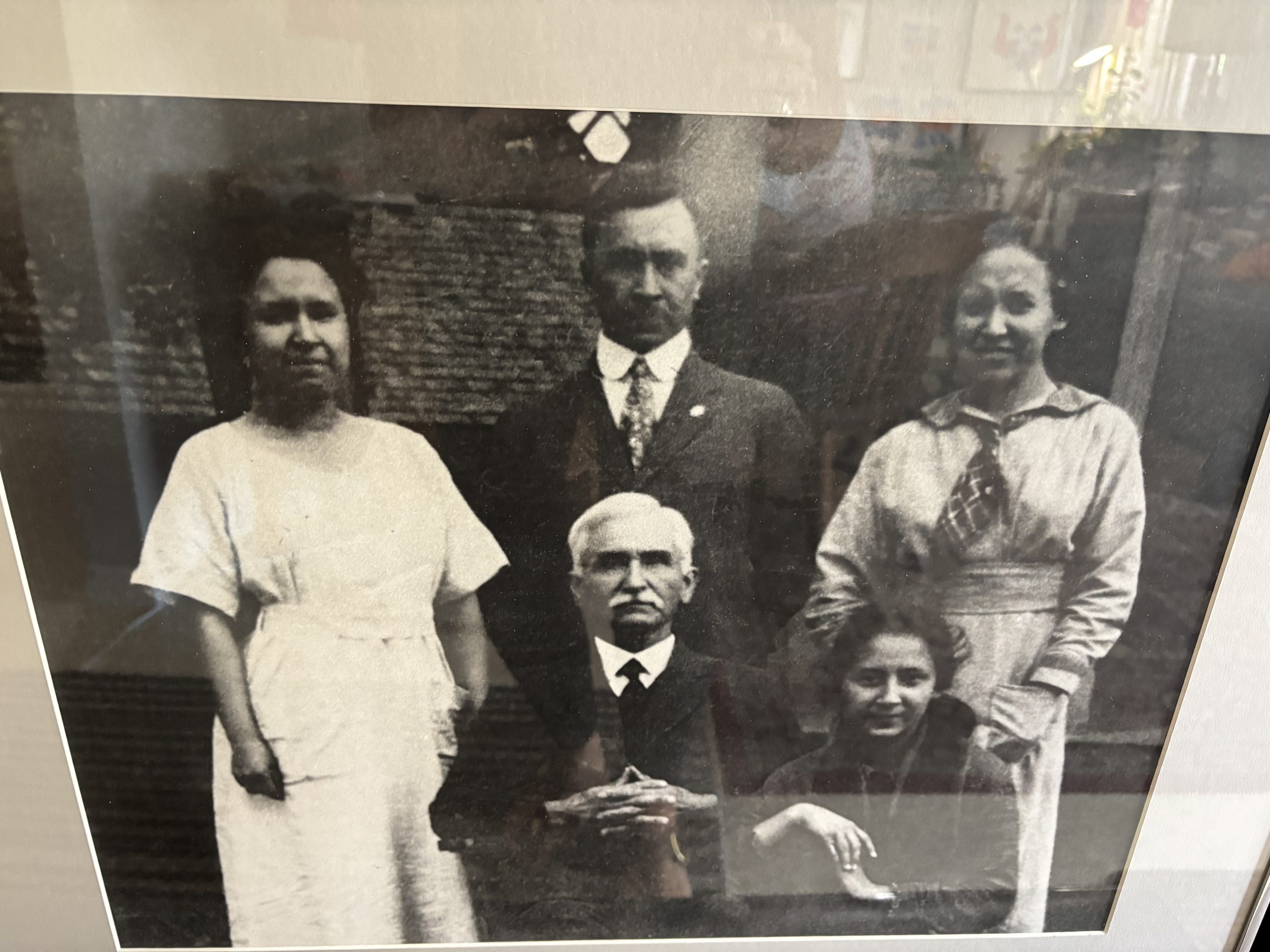
Paula’s great-grandparents attended the Mohawk Institute Residential School.
“I just read that my great-grandfather was marked as a fugitive. He kept trying to run away.”
Even there, language didn’t disappear.
“They wrote that the kids were always speaking the language… that it was hard to get them to stop.”
That history was present, but like in many families, not everything was talked about.
“You block things out for survival,” she says. “You don’t even know you’re doing it.”
It wasn’t until she was studying social work that some of those things started to come back into focus.
“I didn’t even know very much about my own history. It started to come back when I was in university.”
What followed wasn’t one moment. It was a process. Understanding, naming, working through it over time.
“I think part of my healing is being able to say it out loud,” she says. “The more you speak it, the more it loses its power.”
She doesn’t stay in that part of the story.
But she doesn’t skip over it either.
Paula Old Photo

Choosing to Return

“I found my way back,” she says. “And I stayed.”
In her twenties, Paula returned to Six Nations.
“I bought land. I built a house. I brought my mom back.”
She worked as a teacher on Six Nations for nearly thirty years.
“I absolutely loved teaching,” she says. “The kids were fabulous, wonderful.”
But it wasn’t just about teaching lessons.
“I really wanted kids to know that they had value. Especially the ones who struggled.”
At the same time, she was learning too.
“I felt like I was learning alongside them,” she says. “Learning the language, learning the culture.”
She joined a women’s singing group. Started going to longhouse. Began using the language in whatever way she could.
“I don’t claim to speak it,” she says. “But I try. I was taught to use it in any way you can.”
Water became another part of that return.
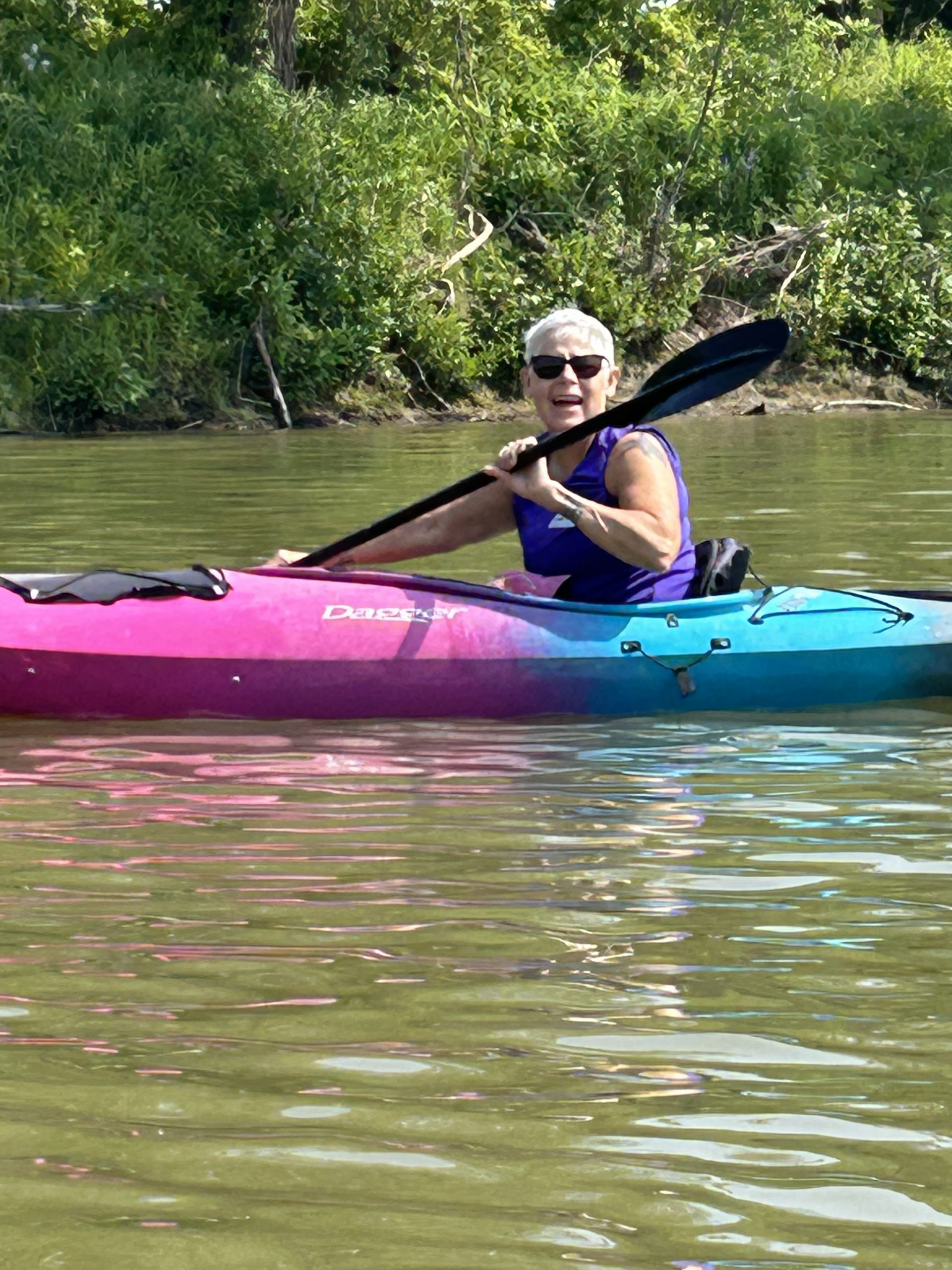
Paula took up canoeing, competed at a high level, and brought that back to her community.
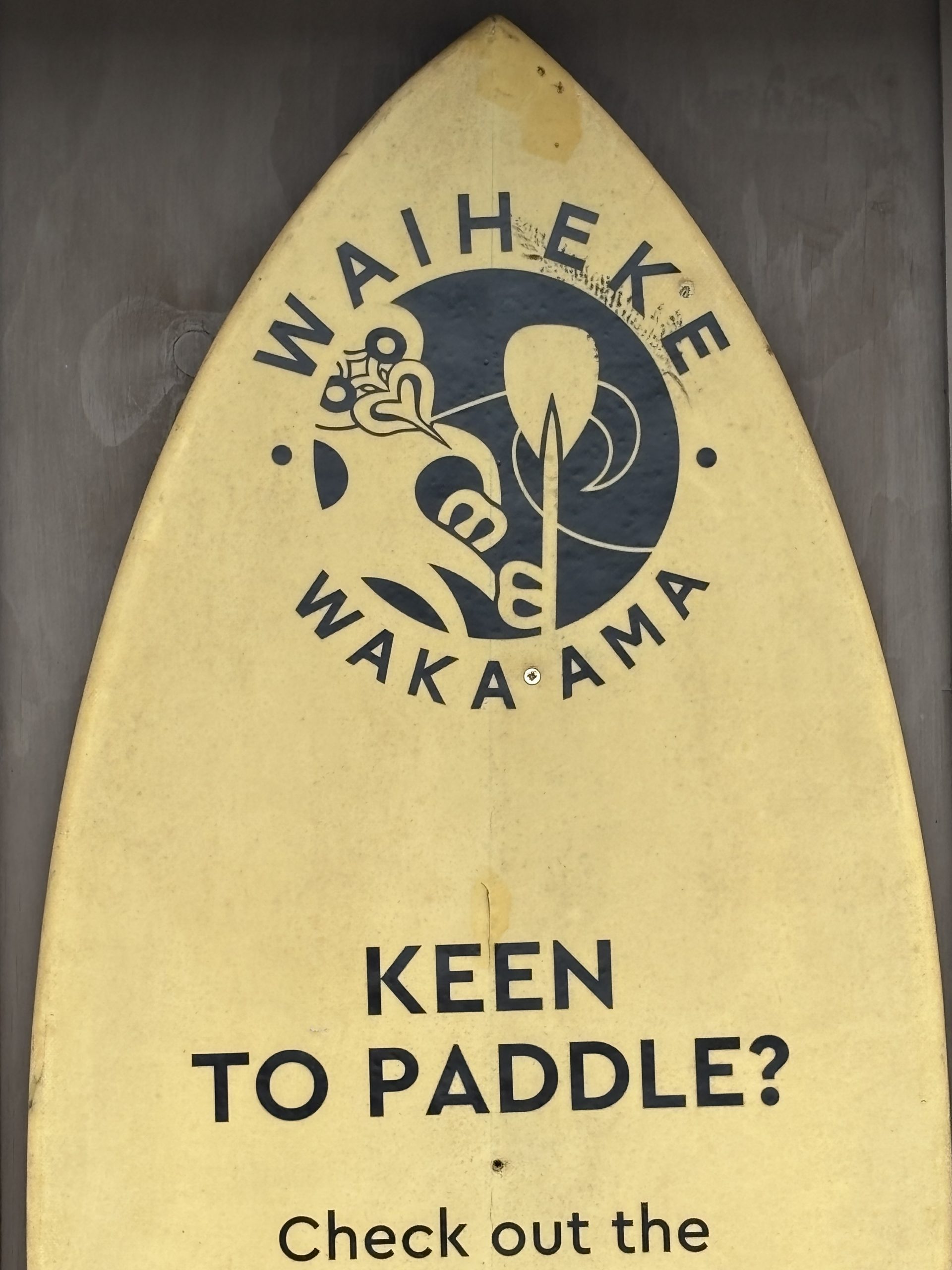
“I started Aka:we Canoe Club on Six Nations because I wanted kids to feel that joy of being on the water.”
At first, people were hesitant.
“The river… people were nervous. Parents didn’t want their kids on it.”
But over time, it grew.
“Kids came. Families came. It built.”
It wasn’t one big moment.
It was a lot of small ones.
Paula Canoeing
Paula Paddle

Making Space for Others

As Paula worked with students, especially at the college level, she began to notice a pattern.
“So many students would say, ‘I don’t know enough about my culture.’”
Some had grown up off-reserve. Some on-reserve. It didn’t always make a difference.
“People feel like they’re not enough,” she says. “Not Native enough. Not brown enough. Not connected enough.”
She understood that.
“I had one foot in each canoe,” she says. “And I know a lot of people who feel that way.”
So her work shifted.
Less about instruction. More about creating space.
“I wanted people to feel like they belonged. Like they didn’t have to prove anything.”
At Sheridan, she built Indigenous student spaces from the ground up.
“We had people coming through all the time. Drum circles, teachings, events. People needed that.”
It mattered that there was somewhere safe to go.
A place where you didn’t have to explain yourself.
A lot of that work, she was doing on her own.
“I didn’t have a team,” she says. “I was doing it across three campuses.”
Still, she kept going.
“You do what you can. You make space where you can.”
At home, that same thinking carried through.
“I wanted my kids to feel good about who they are,” she says. “No matter what.”

Paula Family Christmas
IMG_4298

A Living Circle

Today, Paula reflects on her life with a sense of clarity that has come over time.
“There’s no formula,” she says. “You just keep working through it.”
Things don’t resolve neatly.
They shift. They soften. They come back in different ways.
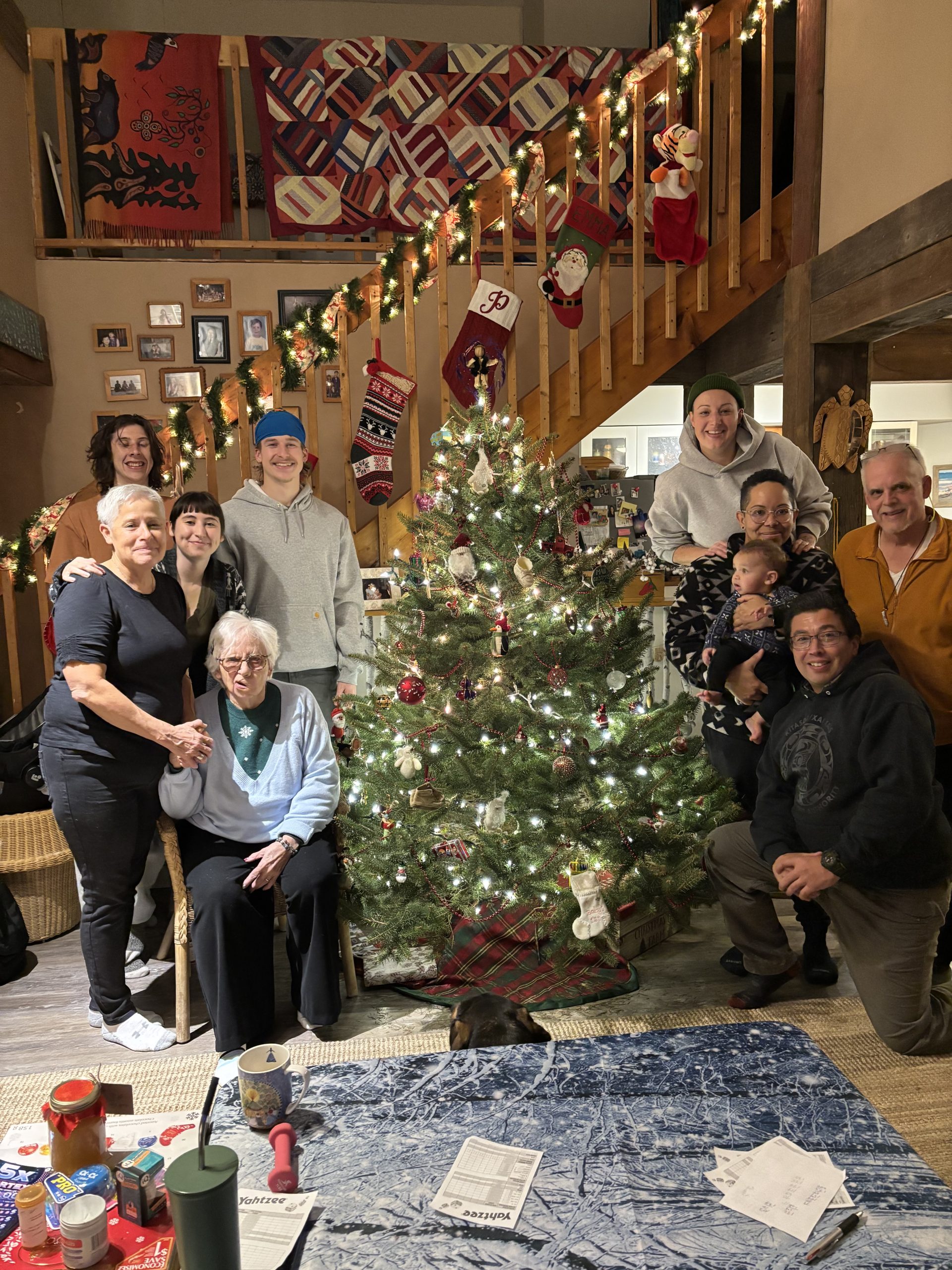
Her mom and brother are now back living on Six Nations. Her kids are finding their own paths, returning to school, exploring who they are in their own time.
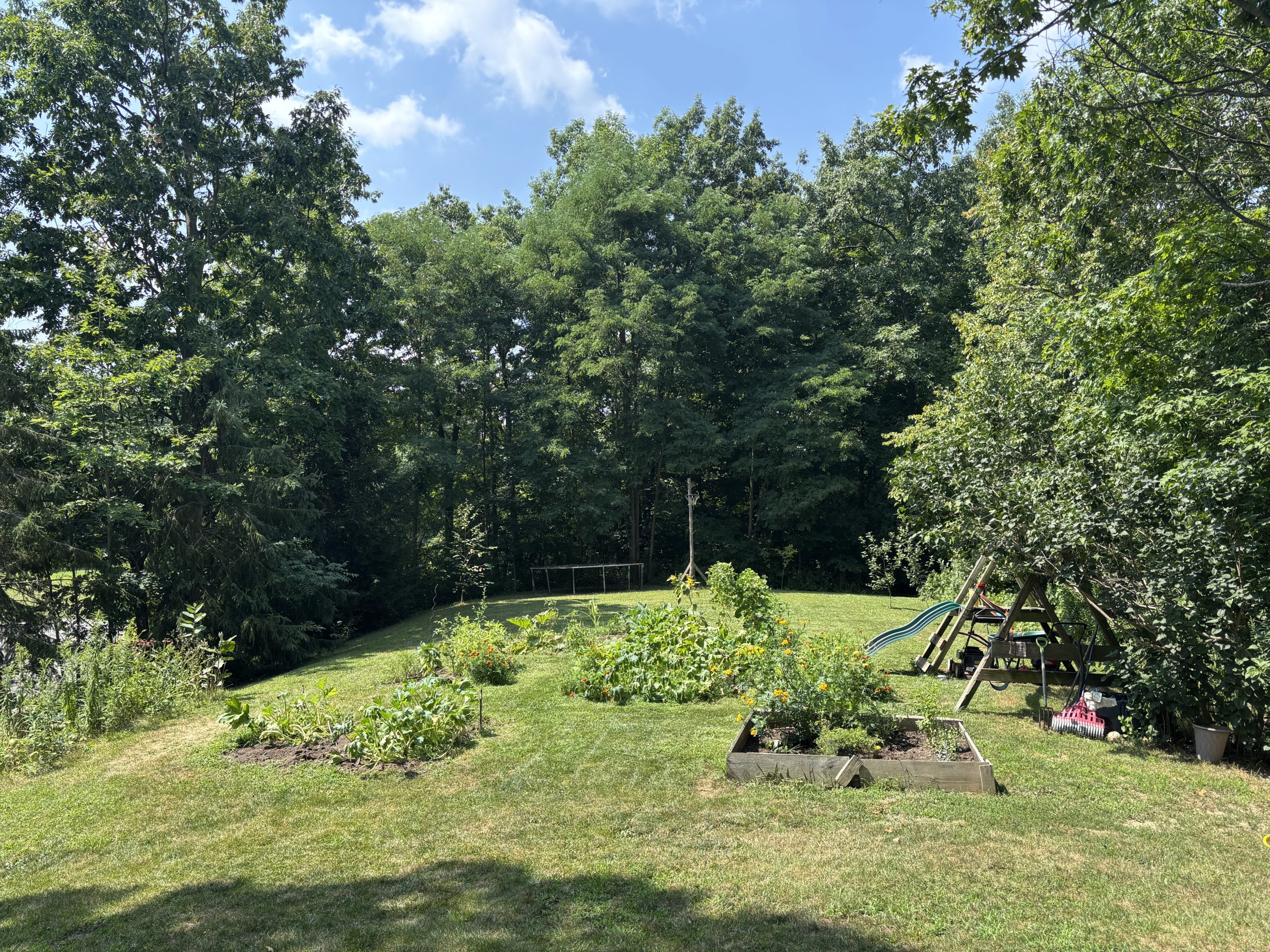
And the land is still there.
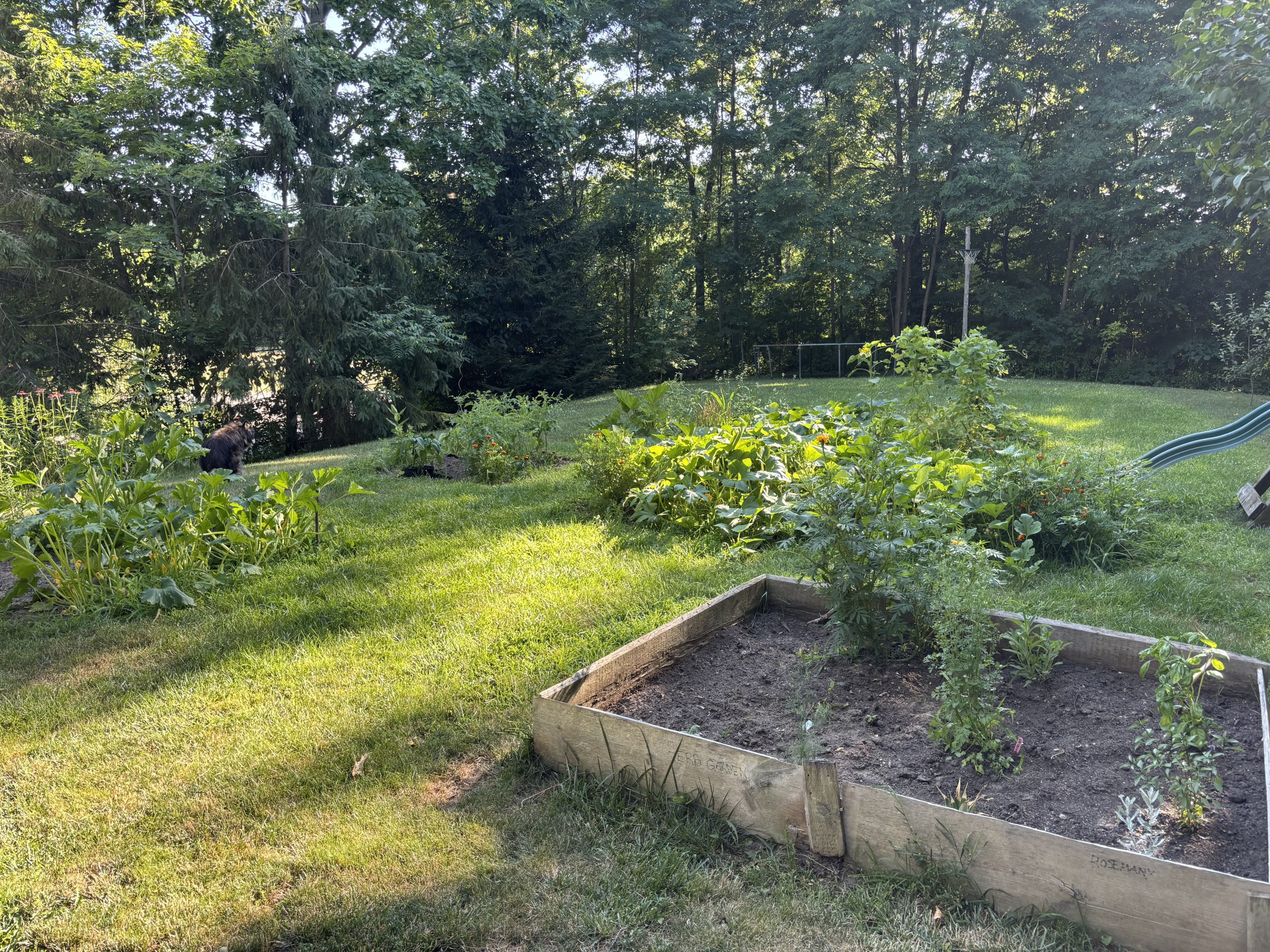
“My great-nephew has his umbilical cord buried on our land,” she says. “That’s full circle.”
That’s what it comes back to.
Not proving anything. Not getting it exactly right.
Through teaching. Through language. Through water. Through showing up.
Just staying connected. Staying in it.
“I did everything I could to find my way back,” she says.
And in doing that, she’s made it a little easier for her kids to do the same — in the hope that her family can come full circle.
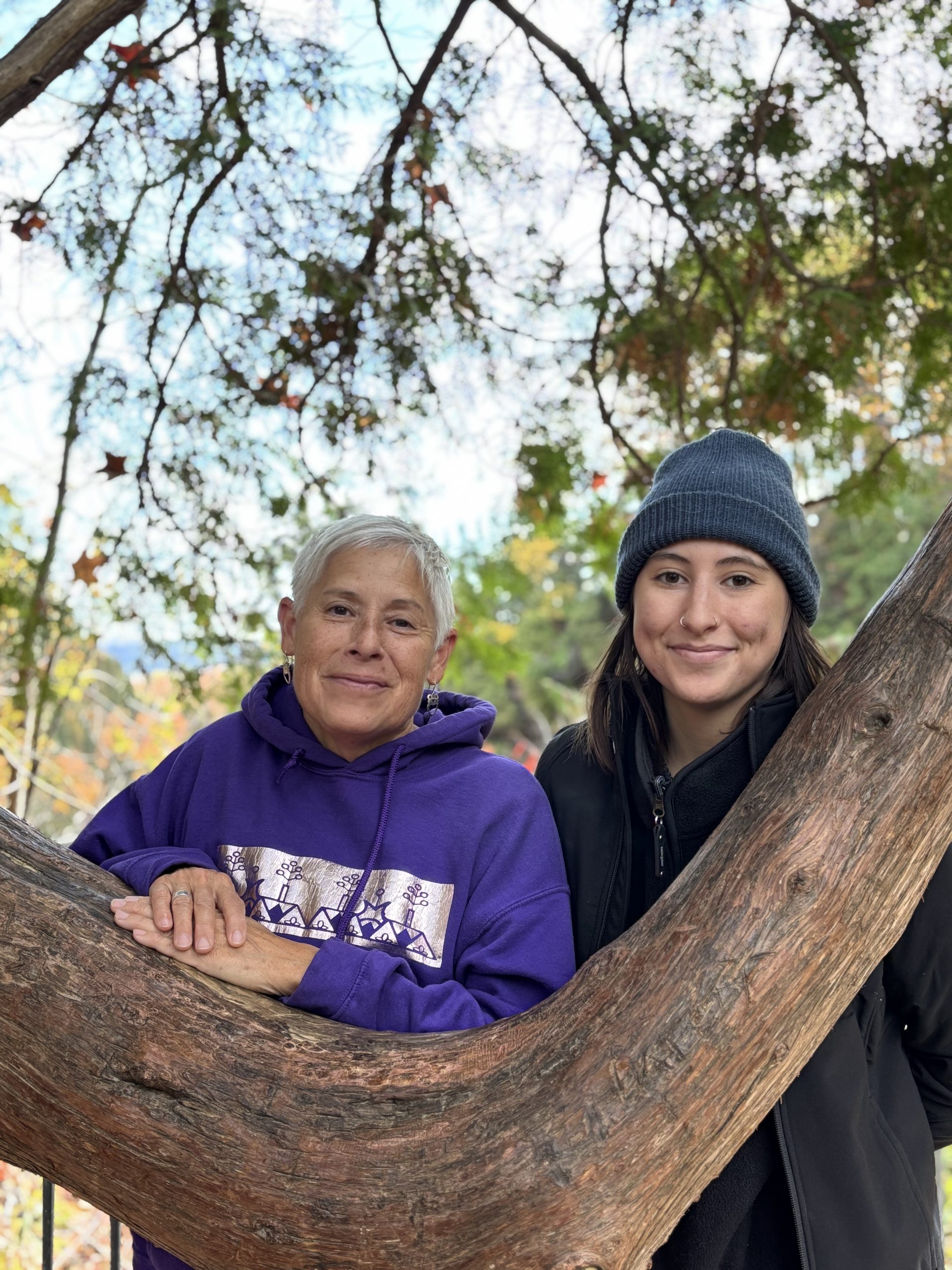
Paula and Daughter
IMG_4364 (1)
Menu