

A HERITAGE MISSISSAUGA PROFILE ON MIGUEL TURATO
WRITTEN BY: MEGHAN MACKINTOSH
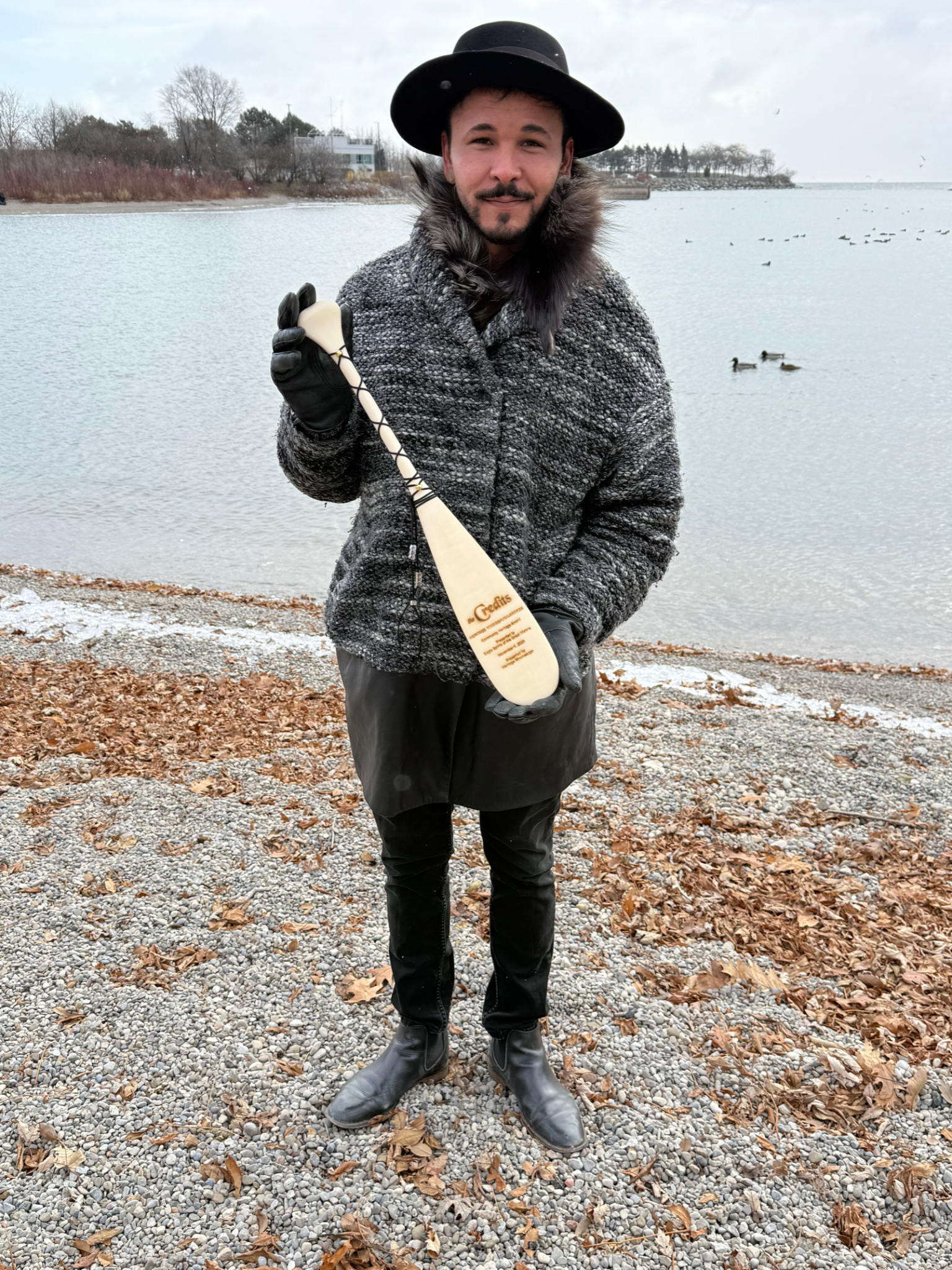
Miguel grew up in southwestern Ontario, in a small rural agricultural community. His family history stretching across continents and generations. His father, European – the child of immigrants from northern Italy. His mother, African-American and Indigenous – with roots in the Oneida Nation and the Chippewa Nation of the Thames.
“I grew up with very heavy European roots,” Miguel says. “I lived next door to my Nona and Papa. Every day there were fresh baked goods on the table.”
Italian culture was very present – lived daily. His Indigenous heritage was less visible and not explicitly passed on. Family history, racism, and exclusion shaped what was shared and what was withheld.
“My father was, at one time, kind of exiled from his family for being with my mother,” he says.
Even among relatives, Miguel could still feel out of place.
“I am one of few people of colour in my Italian family,” he explains. “On the other side, my family primarily identified as Black. I didn’t fully look like them either.”
As a child, he learned that identity did not arrive in a single, tidy form.
“That’s when I really started to realize my intersectionality,” he reflects. “I was made up of so many different kinds of people that I wasn’t ever necessarily going to fit into any one place.”
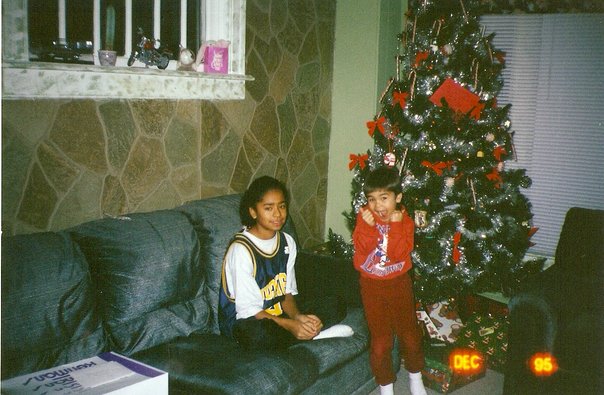
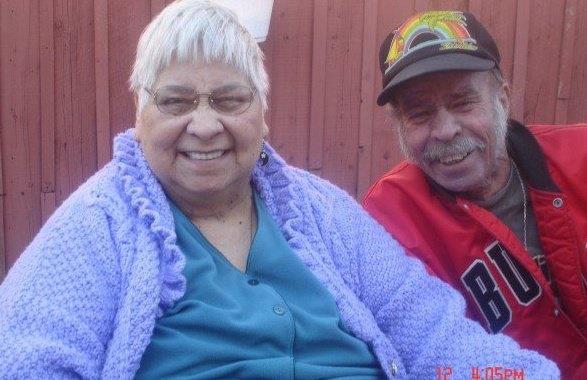
Miguel’s earliest connection to his Indigenous roots came through his grandmother. He told of how, from a young age, they spent a great deal of time together.
Miguel says, “She had such a beautiful warmth.”
She brought him to church several times a week.
“She was the most religious person in my life,” he says. “That shaped a lot of who I became.”
But it was not doctrine that stayed with him. It was something more quiet. More internal.
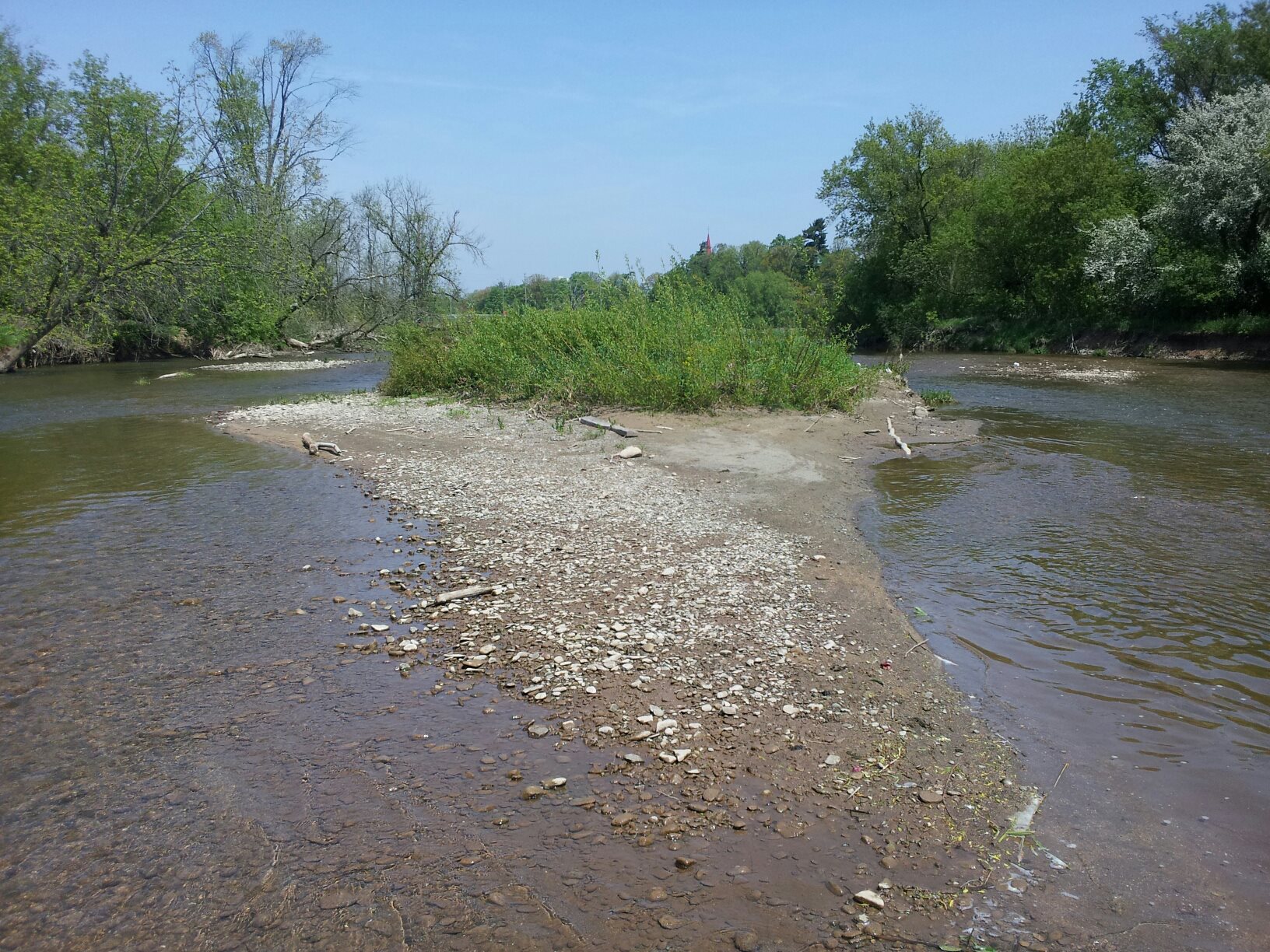
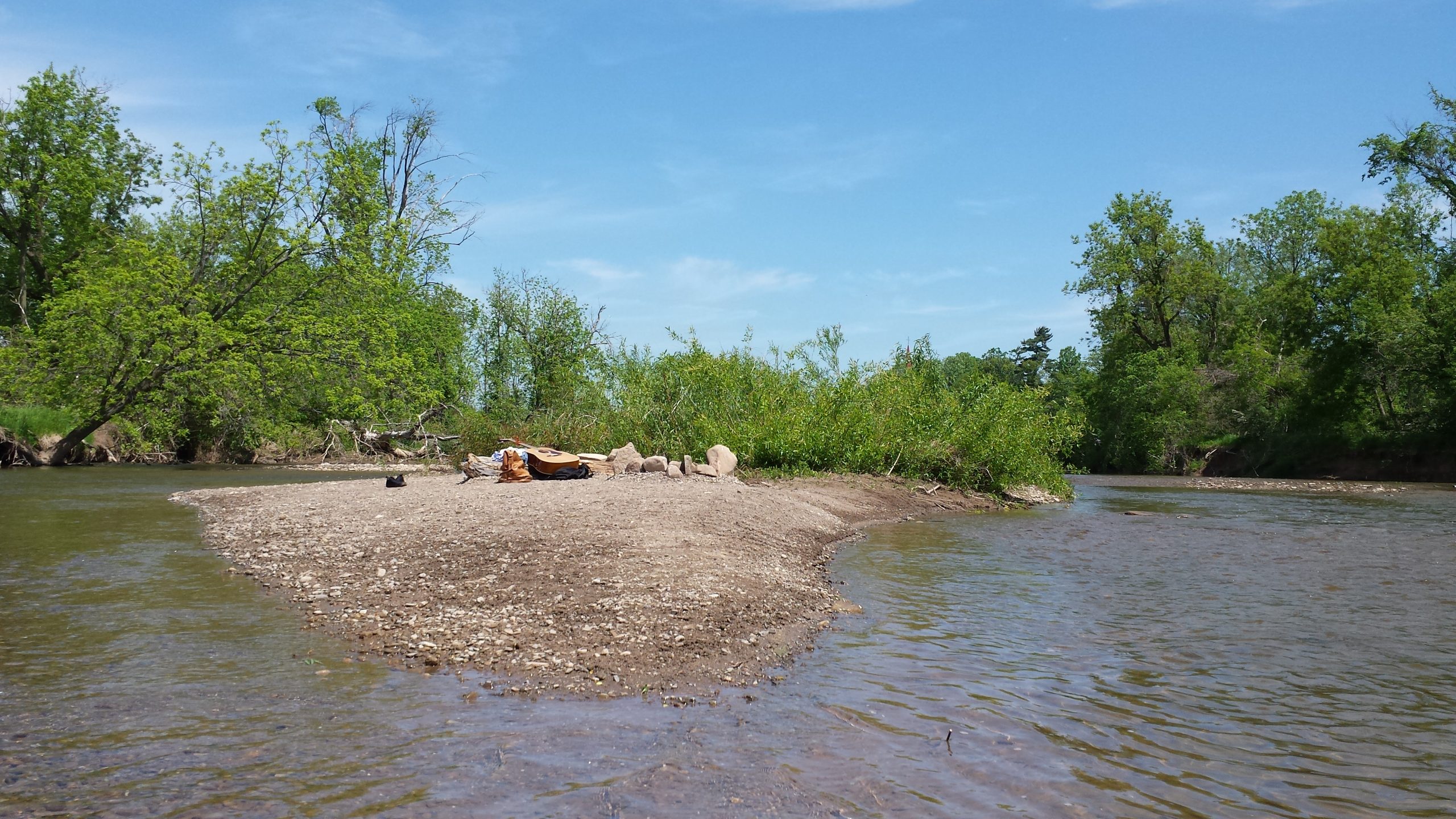
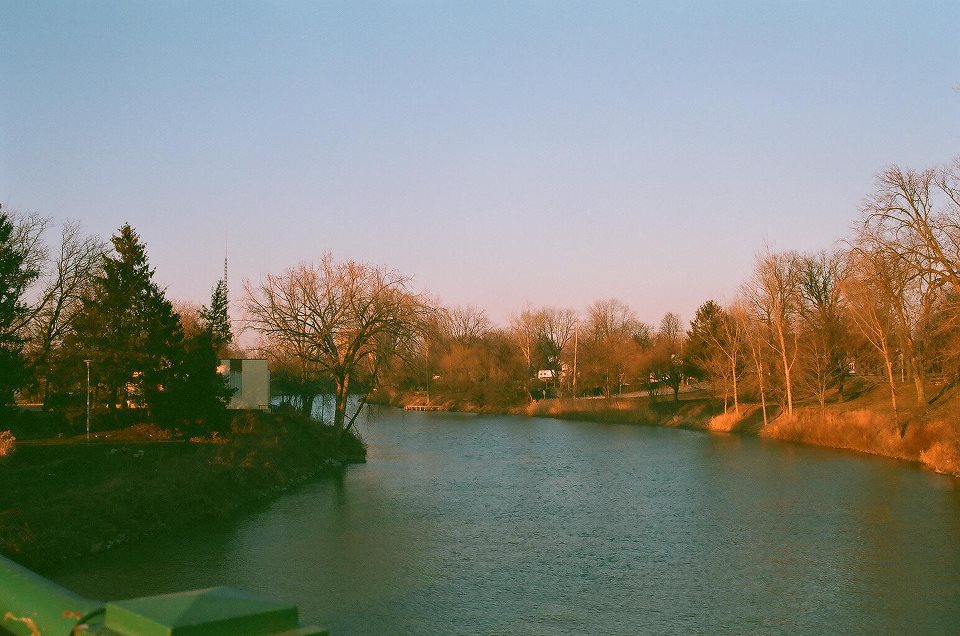
One spring morning, walking home alone along the river, he felt a shift.
“I just had this knowing inside myself,” he says. “I realized I already understood these principles. I didn’t need to be in church to feel connected to them.”
When he told his grandmother he wanted to stop attending, she did not resist.
“She was very supportive,” he says. “I think she knew I was ready to walk my own path.”
From there, Miguel began listening inwardly. Guided by observation, intuition, and what he feels could only be described as blood memory.
“There’s something we believe in as Indigenous people,” he explains. “That memory lives in the body. It’s passed down. Trauma, yes. But also knowledge.”
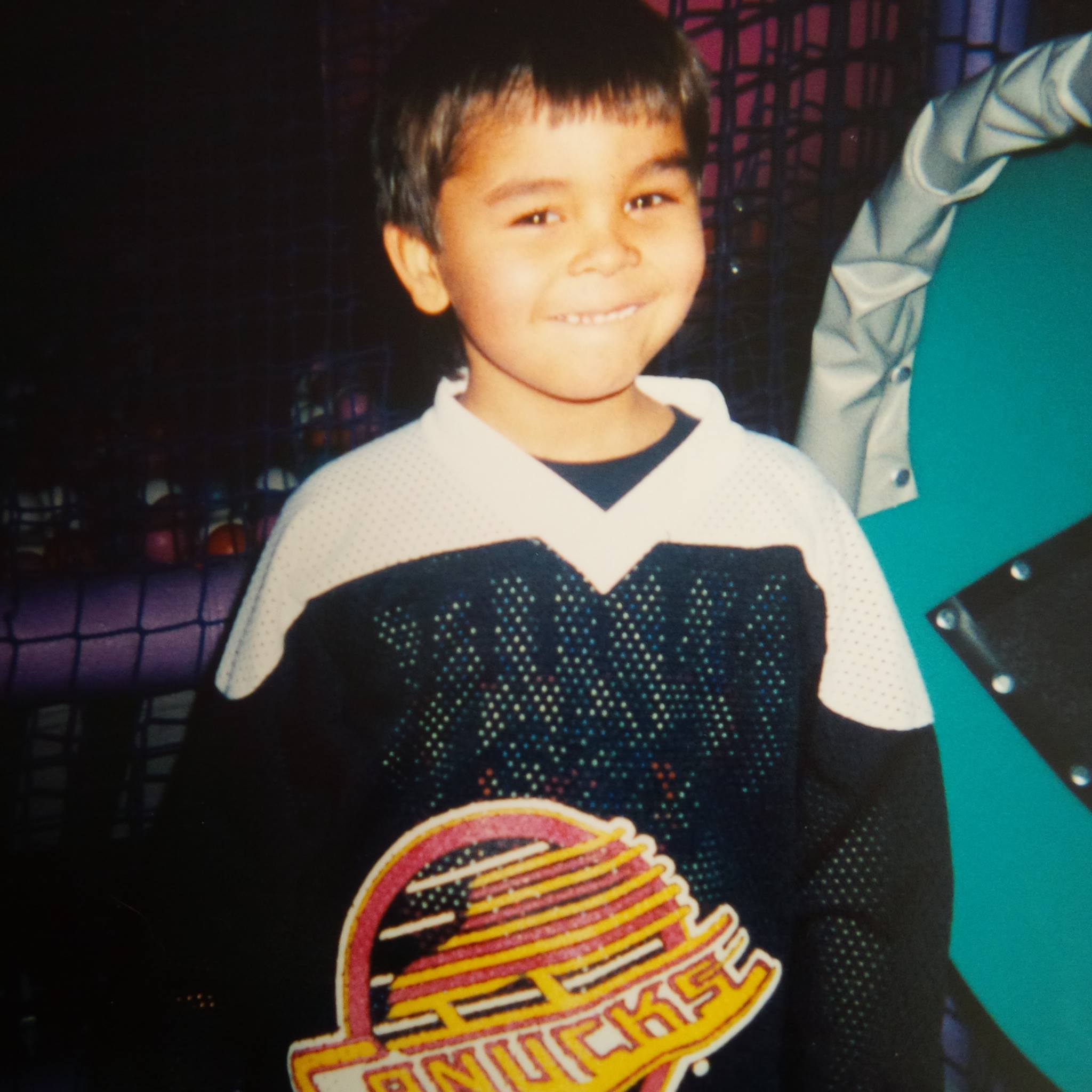
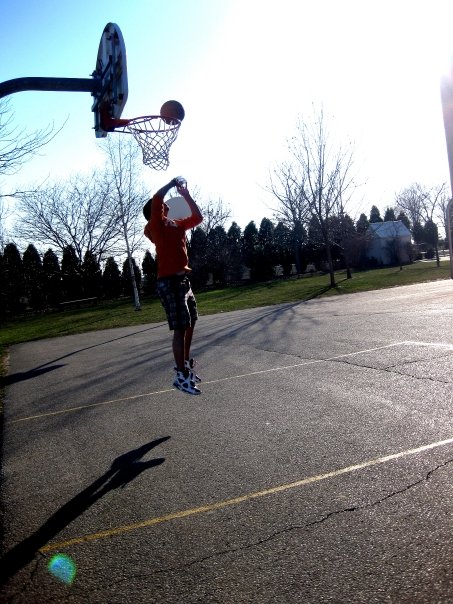
Miguel was a driven student from a young age. He excelled academically and athletically, becoming captain of his basketball team while still in elementary school.
“I didn’t come from much,” he says. “Sports taught me teamwork, leadership, and discipline. Those lessons stayed with me.”
He studied architecture, drawn to the idea of building spaces that mattered, and later moved into project management. His professional life shifted sharply after his father was seriously injured in a car accident in 2019.
“My father went from being the most active person I knew to being unable to speak or move,” Miguel says. “I left my job and took care of him for nearly three years.”
During that time, Miguel faced painful family conflict while advocating for his father’s care.
“It became more than just about his life,” he says. “It became about my culture. About who gets to speak. About standing firm in what you believe is right.”
After his father passed away, returning to work that felt disconnected from meaning was no longer possible.
“I couldn’t do things that didn’t feel purposeful anymore,” he says.
He focused his work on Indigenous-led projects and community initiatives, contributing his skills to programs rooted in long-term responsibility rather than short-term outcomes.
Today, Miguel’s life is guided by service. He is deeply engaged in Indigenous community initiatives, creative practice, and mentorship, particularly with youth.
“Poverty is really important to me,” he says. “And youth. There’s such a disconnect between generations. If we don’t take care of youth now, we lose the future we keep talking about.”
Creativity is central to how he processes and contributes. He writes poetry, music, and is working toward visual art and memoir.
“Art is medicine for me,” he says. “It’s how I purge. How I process. How I connect.”
One teaching that continues to guide him is the medicine wheel, which he understands not just as a symbol, but as a lived process.
“It’s mind, body, spirit, and soul,” he explains. “It’s an energetic movement – alignment. It’s always bringing you back to the centre.”
That centre, he says, is where responsibility lives.
“For me, reconciliation isn’t abstract,” Miguel reflects. “It’s about seven generations. It’s about checking myself. About asking whether my actions are creating something better.”
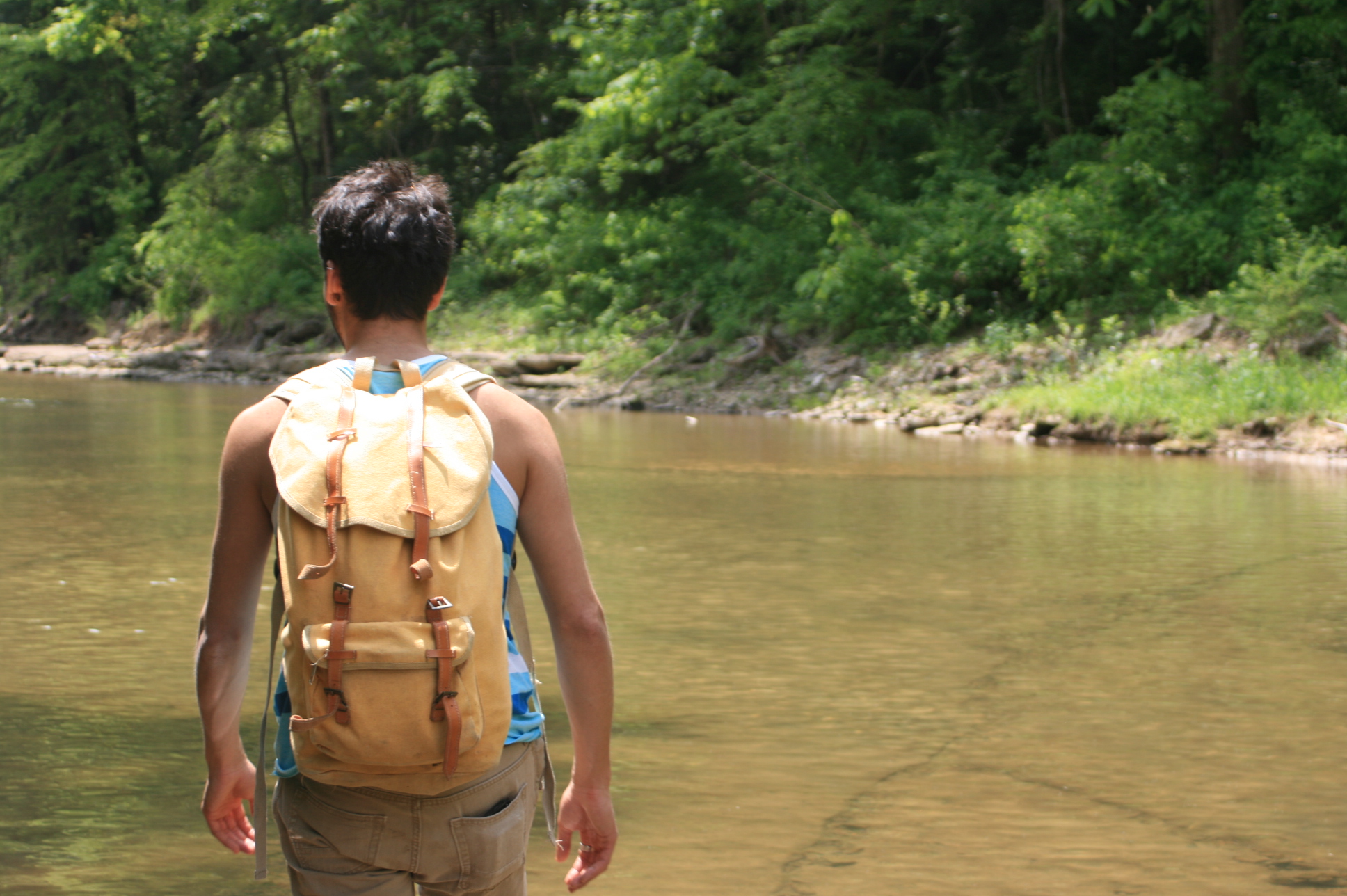
Miguel still walks the river.
He still watches birds of prey circle overhead. He still returns to places where the noise falls away and listening becomes possible.
“We’re always moving through cycles,” he says. “And eventually, if we pay attention, we find our centre.”
For Miguel, belonging is not about fitting into a single story. It is about standing inside many, and choosing, again and again, to live with care.