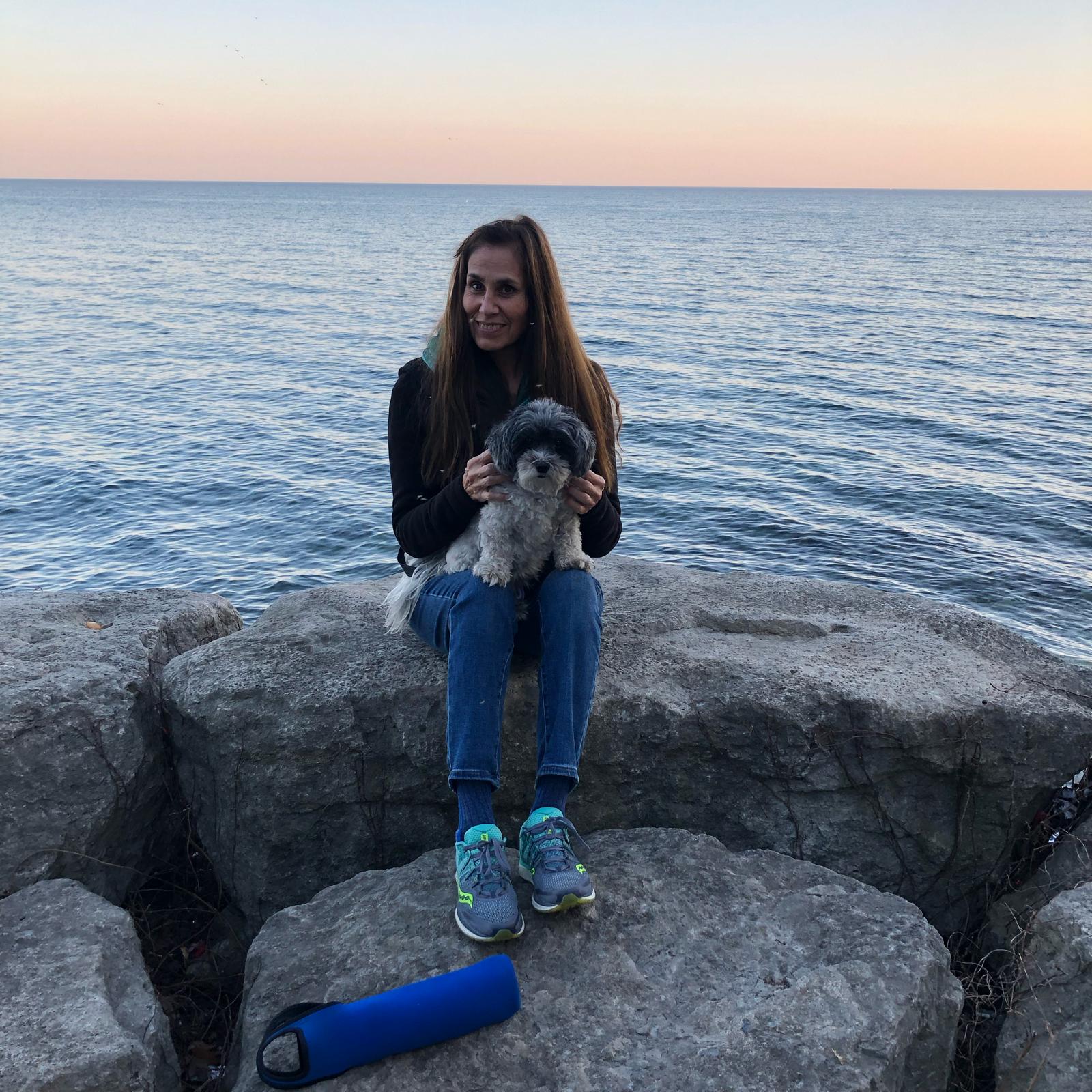
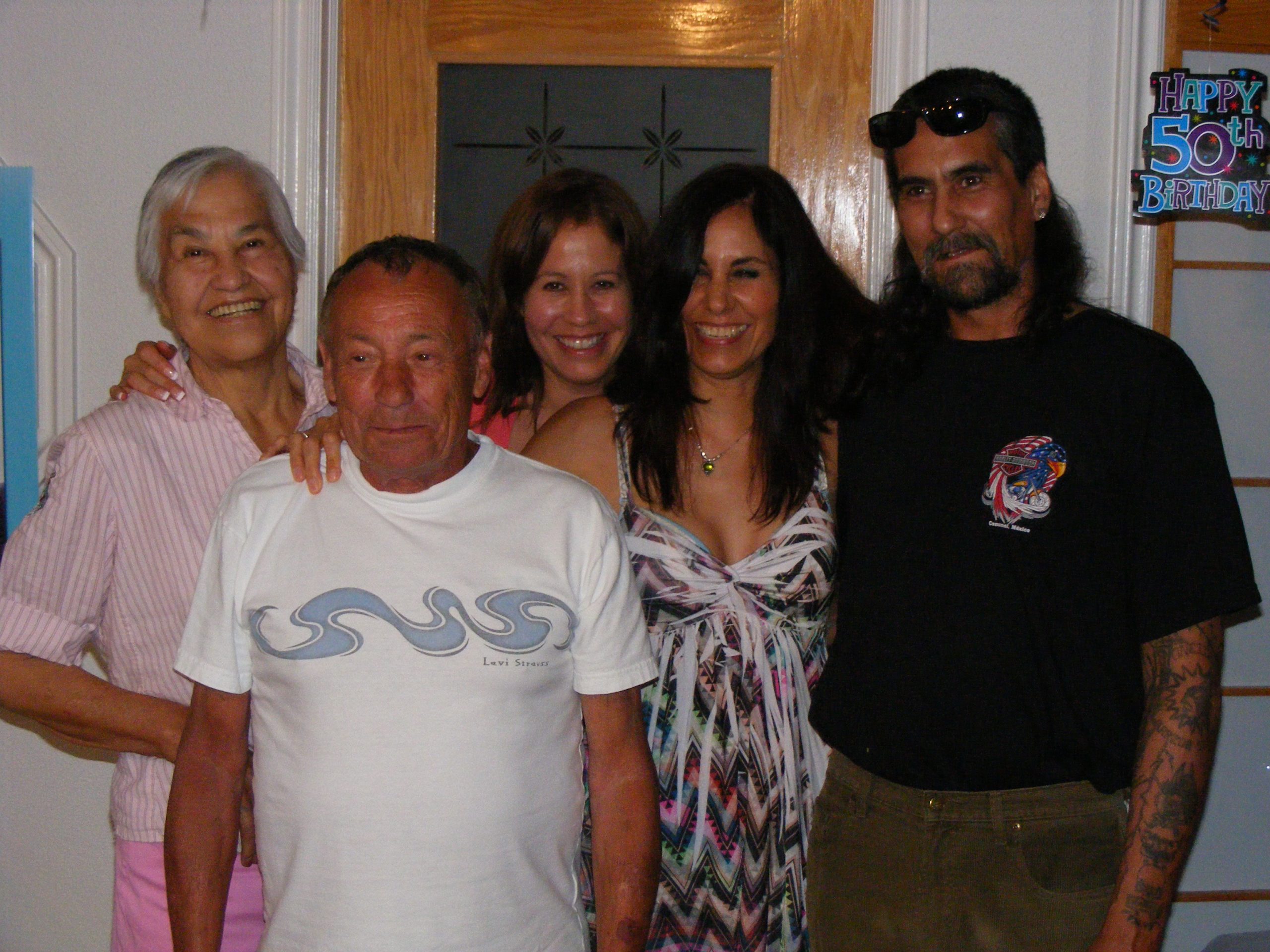
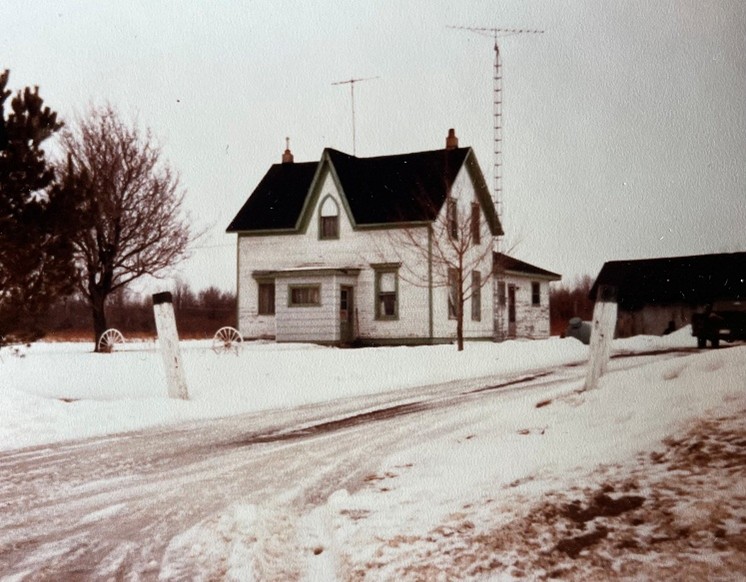
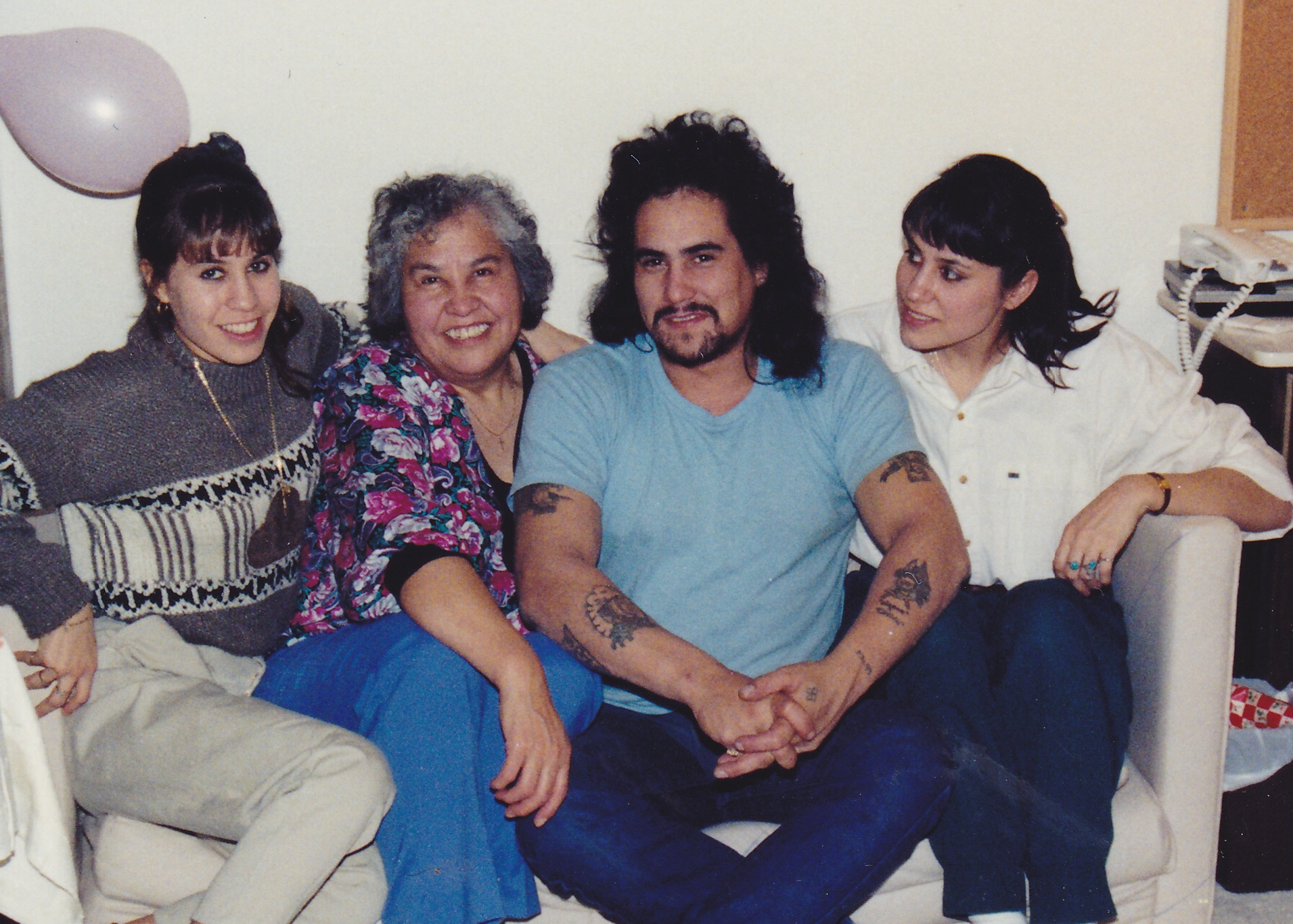
Lynn was born in Toronto and moved to Mississauga as an adult. Her roots stretch far beyond the city. Her father was of Hungarian and German descent, born in Europe during wartime and shaped early by displacement. Her mother was Oneida and Chippewa, raised within systems that disrupted Indigenous family life across generations.
Residential and day schools shaped Lynn’s maternal family history. Cultural knowledge was not something that could be openly taught or passed down. Like many families, hers learned to survive by staying quiet about what had been taken.
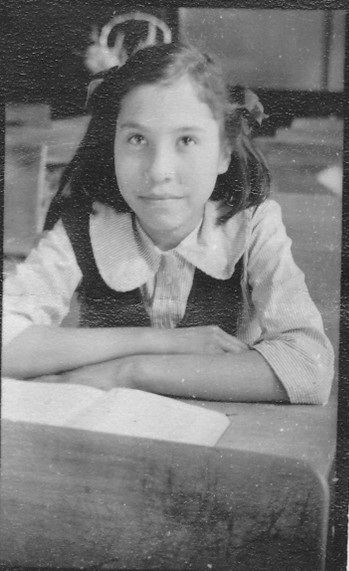
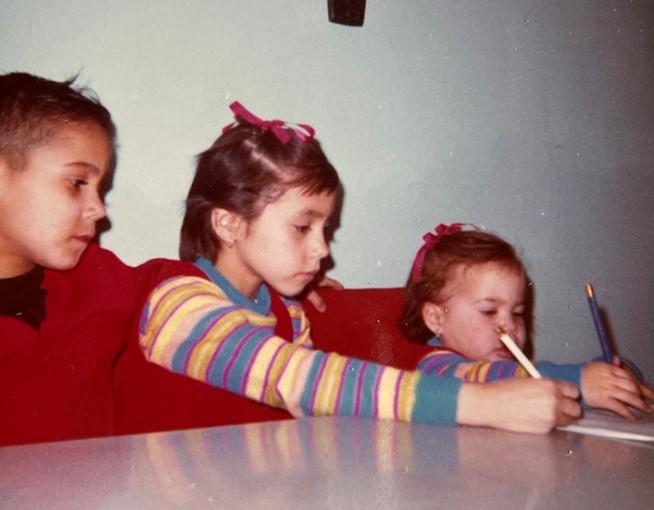
Growing up, Lynn was the middle child. Her brother was older. Her sister younger. From an early age, Lynn found herself in between. Watching. Smoothing. Keeping the peace.
Her mother, shaped by her own experiences of trauma and separation, did her best to care for her children while navigating work, loss, and a world that had never shown her how to parent with ease.
“It was emotionally hard,” Lynn says. “She just didn’t know what she was doing.”
Responsibility arrived early. When her father and mother worked nights, Lynn became her sister’s caregiver. It was a role she stepped into without being asked.
Childhood was not without warmth, but it required vigilance. Strength developed quietly, alongside sensitivity.
If Lynn found refuge anywhere as a child, it was in art.
“I used to lay in bed and draw little stories,” she recalls. “I’d make up characters and tell stories with them. I always wanted them to have happy endings.”
Art became a language that didn’t require explanation. A way to process feeling without naming it.
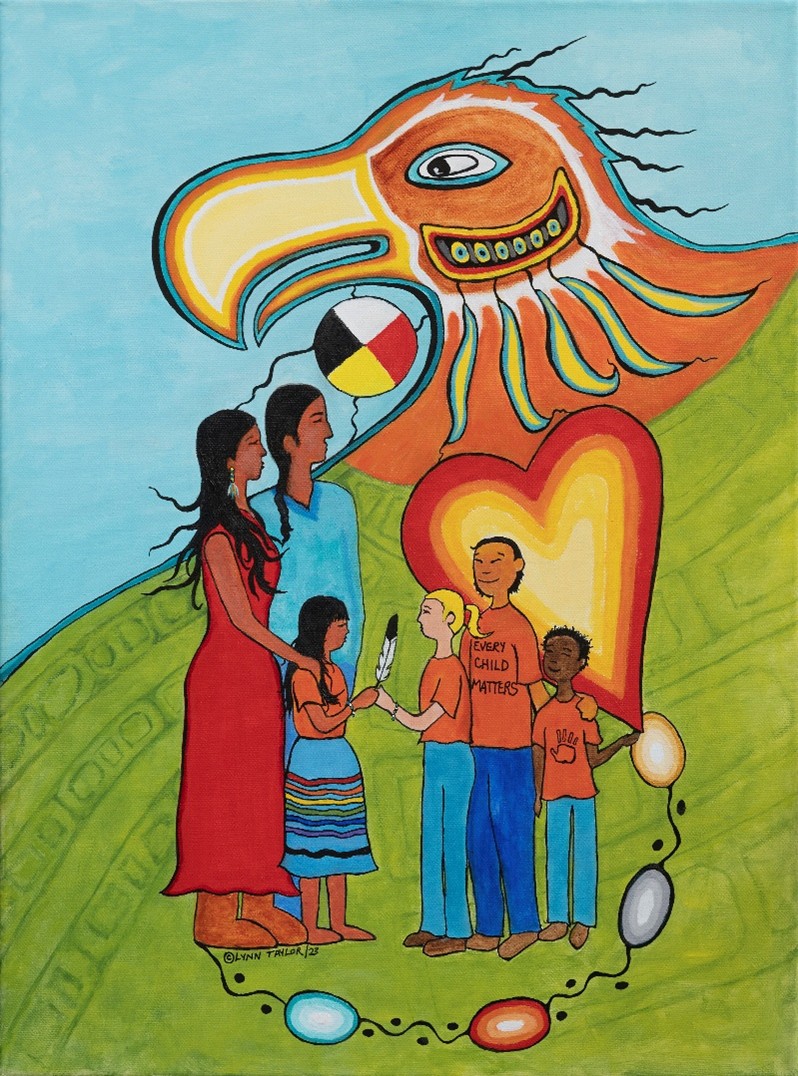
That instinct stayed with her. As an adult, Lynn returned to art again and again. Painting. Designing. Creating images that carry meaning without asking for attention. Ideas often come in dreams, or in the half waking moments before sleep. She wakes knowing what needs to change. What needs to be added.
Public art came later. And it came with fear.
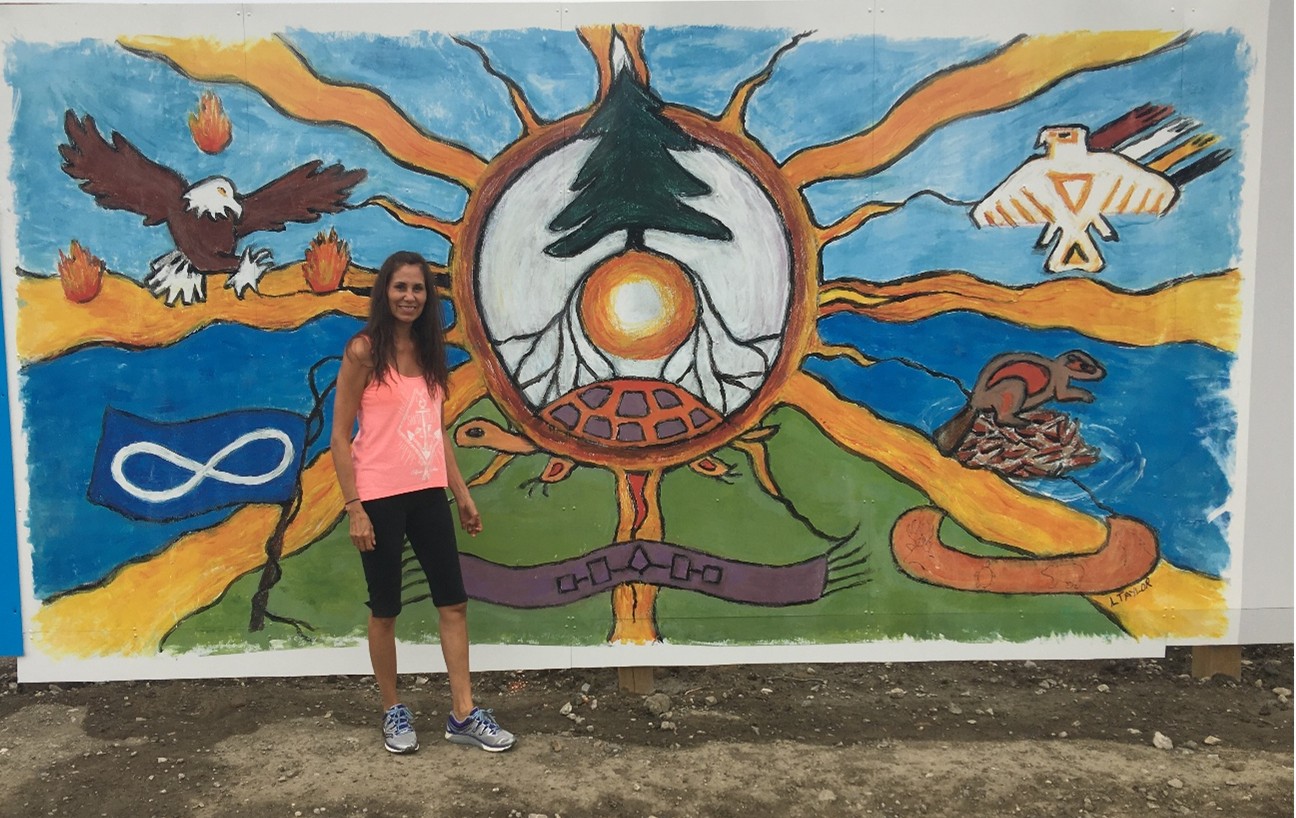
When Lynn began painting murals in Mississauga, the work felt both affirming and unsettling. Visibility brought exposure.
“Coming out into the public like that was really hard,” she says. “I just wanted to hide.”
Still, placing Indigenous imagery into public space felt necessary. Not as a declaration. More as a presence. A quiet reminder that Indigenous lives and stories exist here too.
In her late teens, Lynn developed agoraphobia. At times, leaving home felt impossible. Travel narrowed. Visiting family on the reserve became rare.
After her mother’s death, the sense of isolation deepened.
“I felt like I was just in this world without that connection anymore,” she says.
Healing came slowly. Through reading. Therapy. Persistence. Lynn learned that progress did not mean conquering fear. It meant continuing alongside it.
Connection returned not through certainty, but through feeling.
“It wasn’t so much about learning,” Lynn explains. “It was about feeling that connection. When I’d go to a powwow, it was just something you felt inside.”
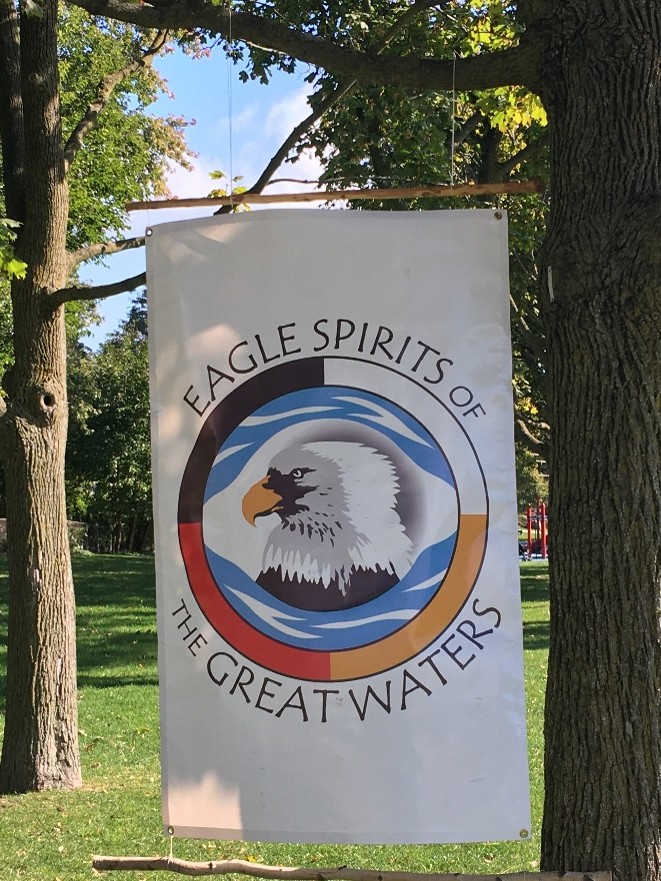
Out of that longing, Lynn helped bring together an organization Eagle Spirits of the Great Waters Indigenous Arts & Cultures, alongside others who shared a desire to gather, learn, and be together in a city where Indigenous presence often felt invisible.
The group grew carefully. Space was borrowed. Volunteers carried the work. Learning happened collectively.
“I’m still learning,” Lynn says. “I don’t see myself as a knowledge keeper as I still have so much to learn.”
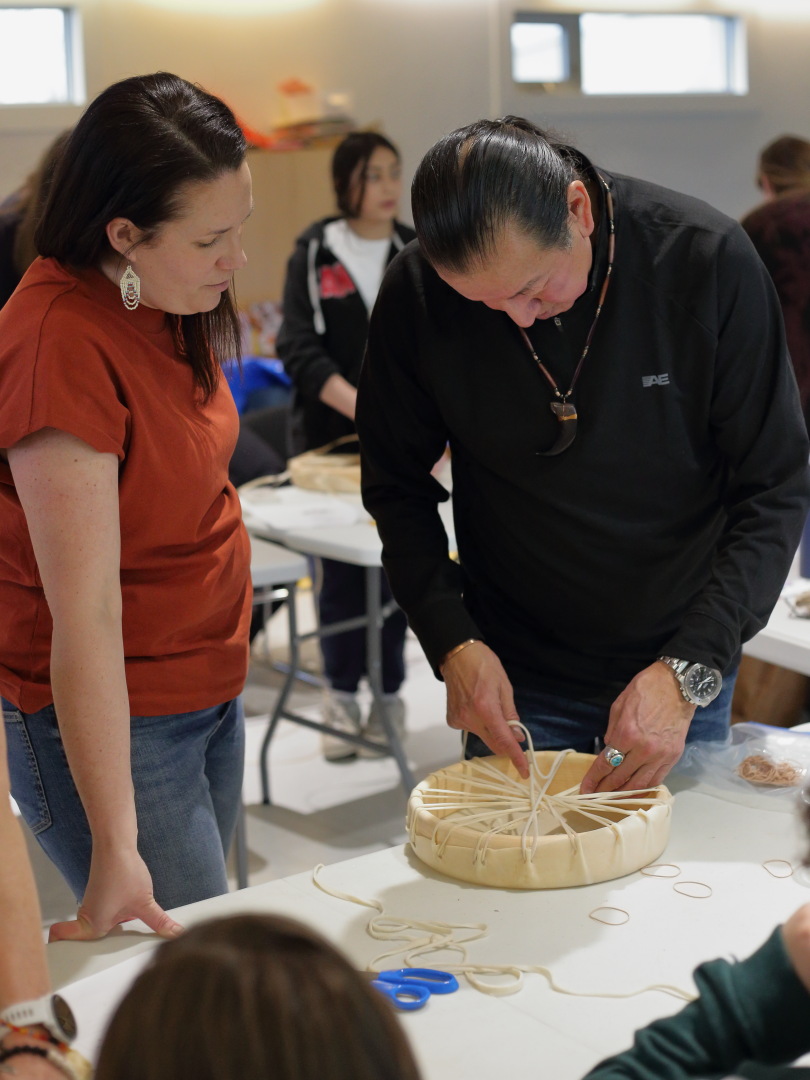
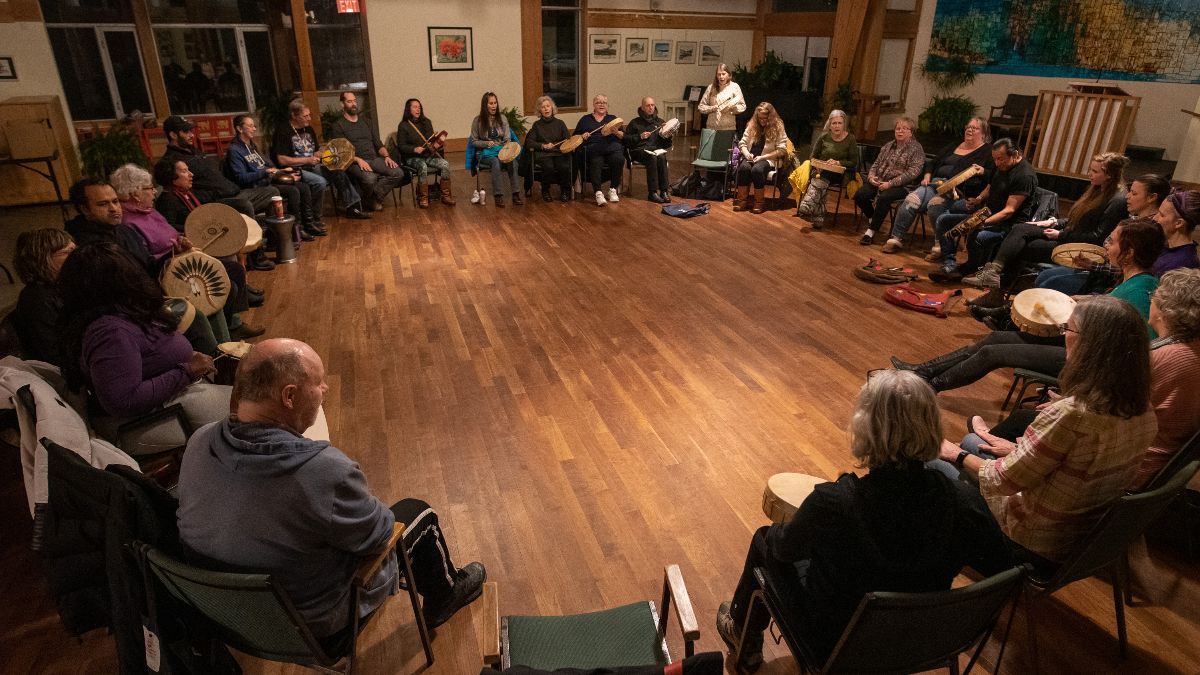
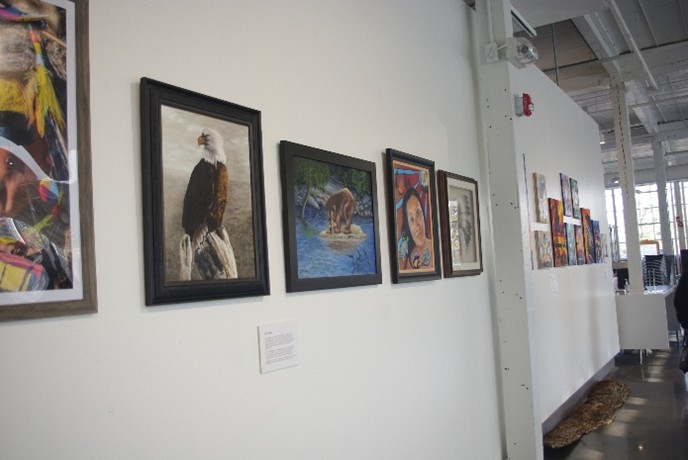
Workshops, drumming circles, art exhibitions, and gatherings took shape as shared experiences rather than just instruction. Food was always part of it. So was conversation.
What mattered most was the feeling of being together.
For a long time, Indigenous presence in Mississauga felt difficult to name. It existed, but it was hard to see. There were few gathering spaces. Few visible programs. Few signs of continuity.
That has begun to shift.
Through public art, community gatherings, and annual events tied to National Indigenous Peoples Day and Truth and Reconciliation, Indigenous voices are becoming more visible across the city. Lynn has watched artists who live quietly in Mississauga step forward for the first time, drawn out by the knowledge that there is now a place for them.
Art, she believes, is one way visibility begins.
She also carries a longer term hope. A permanent Indigenous cultural centre near the Lakeview waterfront. A place where people could learn, gather, and understand the land’s history not as something distant, but as something living.
“Why should we have to go out to find teachings?” Lynn asks. “Why can’t there be a place here?”
When Lynn speaks about the future, she often returns to young people.
To children learning language earlier than her generation could.
To families reclaiming traditions that were once interrupted.
To the possibility that understanding might arrive sooner now, carried forward with less silence.
She does not romanticize the past. She does not frame healing as complete. Some wounds, she knows, take more than a lifetime to soften.
What sustains her is movement. Not backward. Forward.
“You don’t want to be who you were before,” she says. “You have to keep going forward. You could be something different. Something more.”
For Lynn, that means continuing to create. Continuing to gather. Continuing to make room for others to be seen.
It means staying close to the lake. Listening to the drum. Trusting that connection, once found, can grow.