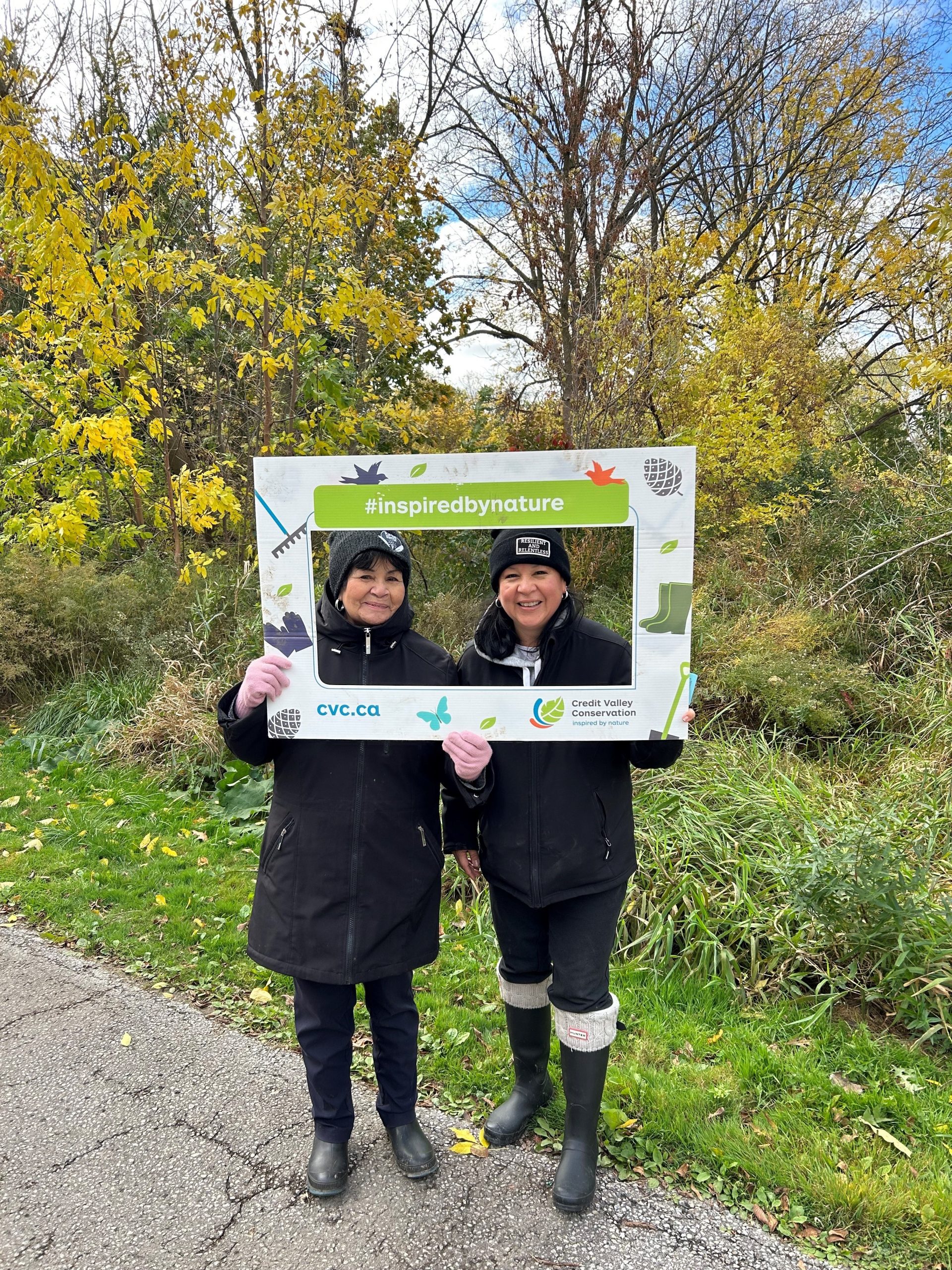


A HERITAGE MISSISSAUGA PROFILE ON LORI OUIMETTE
WRITTEN BY: MEGHAN MACKINTOSH
She was raised in Mississauga. She went to local schools, rode city buses, and spent her summers at neighbourhood parks and festivals. She belonged to the city in all the ordinary ways. What she did not have, growing up, was visible Indigenous community around her. She knew she was Indigenous, but she did not yet know what that meant in practice.
The Chippewas of Nawash First Nation is the reserve where her family is from. Her parents left their home communities young, met in Toronto, and settled in Mississauga before she was born. She did not grow up on a reserve. Like many Indigenous families who moved into cities in the decades after the Second World War, hers was shaped by work, movement, and assimilation.
“I always joke that I was a perfectly assimilated Indian,” she says. “Growing up here, there was nobody like me.”
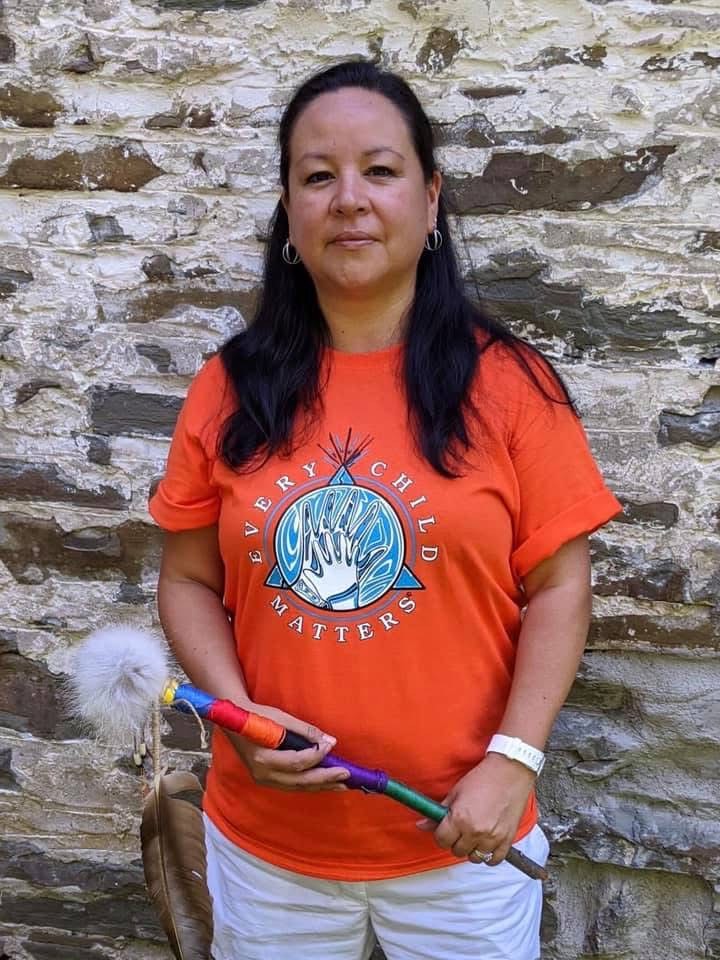
Lori attended Forest Avenue Public School, where her class was small and her teacher left a lasting impression.
“Every time the teacher travelled somewhere, she brought that culture back to the classroom,” Lori remembers. “Music, food, stories. I was really fortunate to have her.”
Outside of school, her childhood was rooted in Port Credit. She remembers playing near the water on hot days, walking along the marsh boardwalk, and spending time at Jack Darling Park and Brueckner Rhododendron Gardens. These were not landmarks to her then. They were simply places she knew.
Her family moved several times within Mississauga, from Port Credit to Cooksville, to Meadowvale, and back again.
When her family moved to Meadowvale during high school, she was told she would have to transfer schools. She asked to stay, was allowed to finish, and took city buses across Mississauga each day to remain at Cawthra Park Secondary School. It felt like home.
Lori always knew she was Indigenous. What she lacked was context.
In school, she learned about Indigenous peoples in ways that felt distant from her own family story. The books focused on Nations that were not hers. The language was simplified. The details did not quite fit.
In 1985, changes to federal legislation restored Indian status to many women who had lost it through marriage. Lori was ten years old when her parents explained that she and her sister would be registered under different reserves, based on their parents’ affiliations.
“That’s when I started asking questions,” she says. “What does this really mean? What changes does it make, with who I am”
Answers came slowly, over years rather than months. Visits to family and powwows had always been part of her life, but understanding took time. Like many people raised away from their home communities, Lori would not fully step into Indigenous community until adulthood.
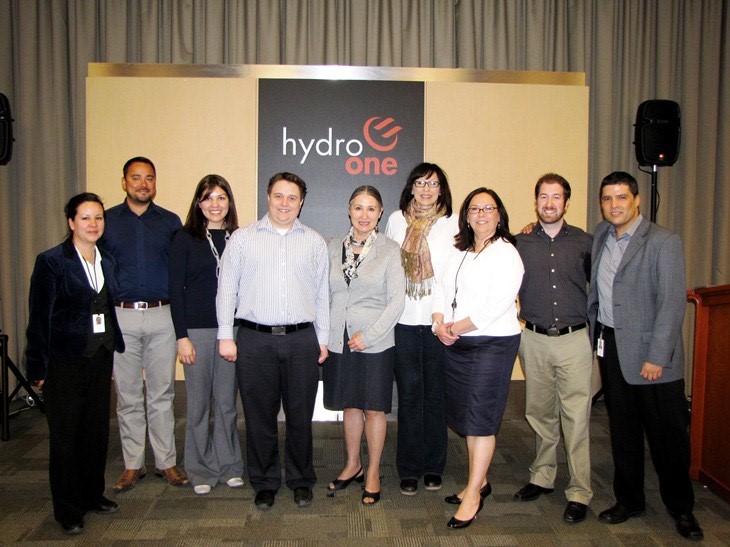
It was through work that Lori found her way back.
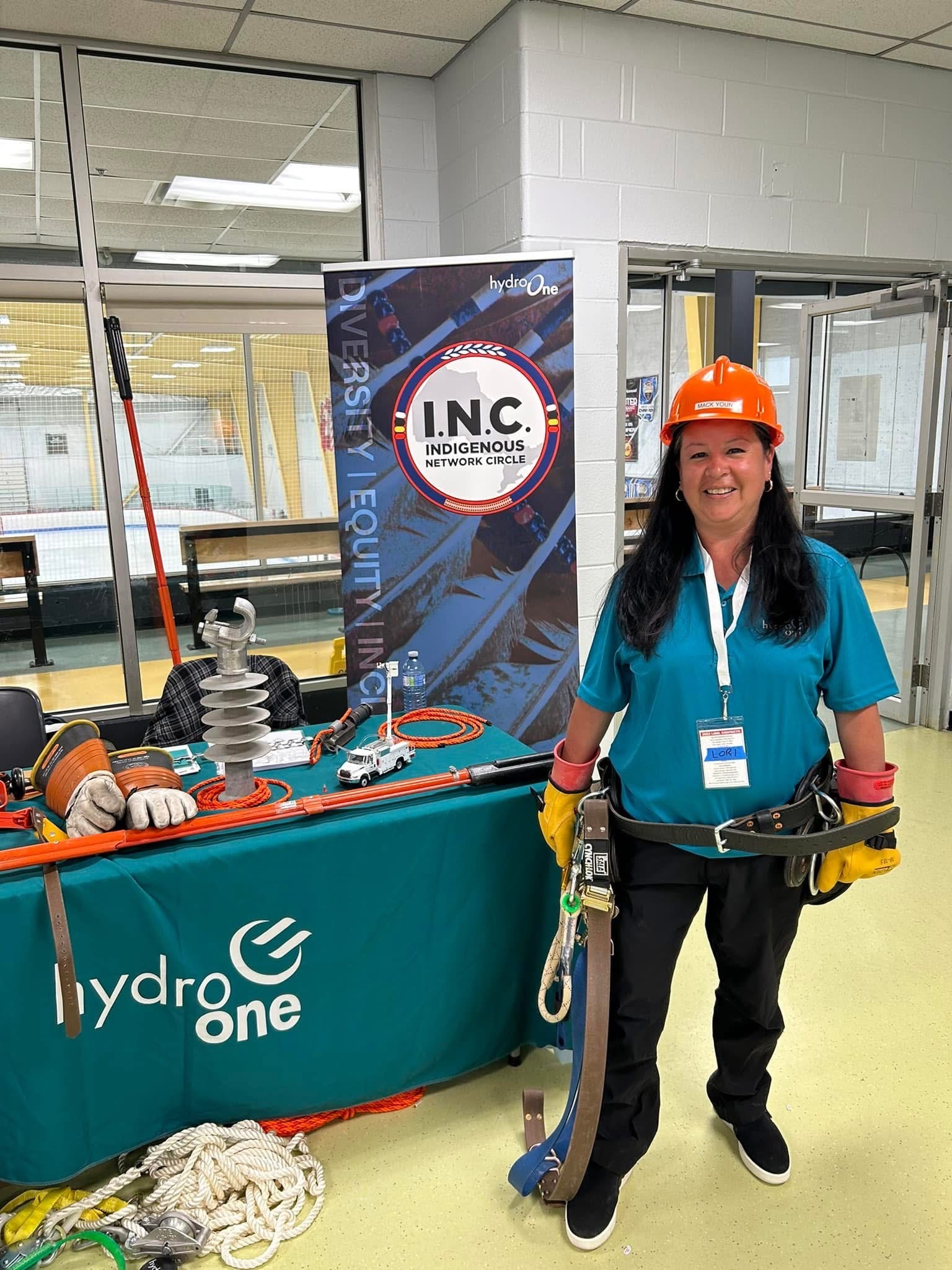
In 2010, as a newly licensed paralegal, she reached out to the Peel Aboriginal Network, now known as the Peel Indigenous Network, to offer her support. Through that connection, she applied for a position at Hydro One and began working in First Nation and Métis Relations.
“It was the first time in my life I was immersed with Indigenous people,” she says. “That’s kind of late in life to be engaged every day with people in the city who are just like you.”
From there, her career unfolded in ways she had not planned. She moved into security and compliance, working in cybersecurity and critical infrastructure protection. The work suited her.
It also connected back to questions she had carried since childhood.
Two events stand out in Lori’s memory as moments when Mississauga revealed something deeper about itself.
The first was the 1979 train derailment, which forced the evacuation of hundreds of thousands of residents. Lori was a child at the time, but the memory stayed with her.
“I remember thinking, how did they know what to do?” she says. “How did they organize all of that?”
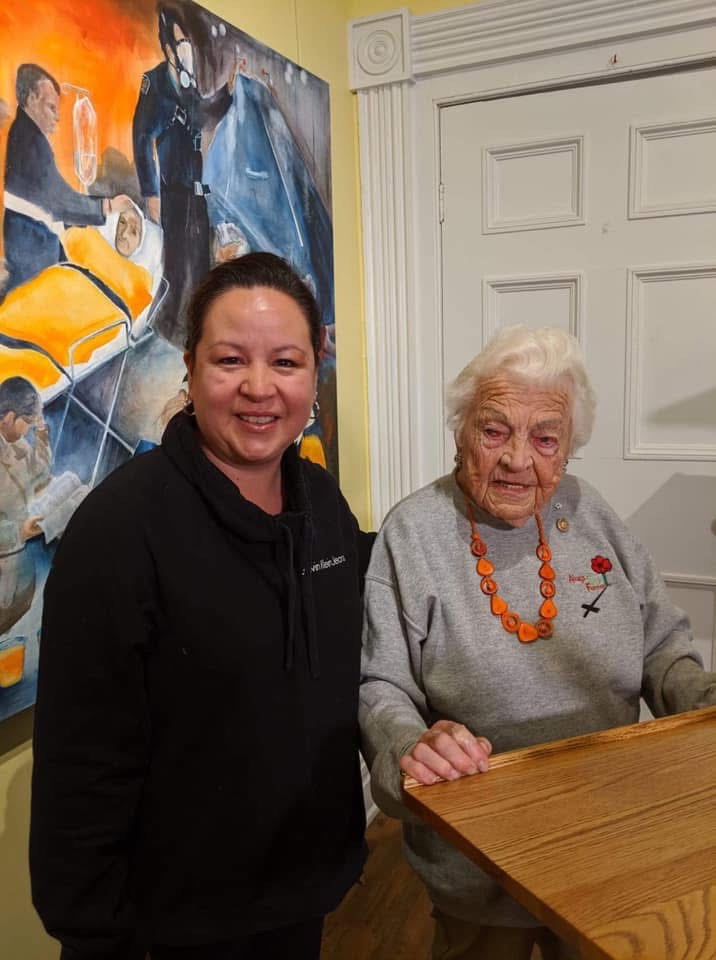
Years later, those questions led her back to school to study emergency management. They also shaped her admiration for Hazel McCallion, who served as Mississauga’s mayor for decades and whose leadership during the evacuation left a lasting impression.“When I met her years later, I told her she inspired me,” Lori recalls. “I could see the smile on her face.”
The second was the 2003 blackout. Lori remembers climbing dark stairwells to their apartment with her children, holding their hands as they went.
“I was telling them not to be scared,” she says. “We just kept going.”
As Lori came into her own understanding of identity and community, her children grew up alongside that journey.
Her daughter Alexandra now works in heritage, helping rewrite historical plaques to address colonial language and working directly with First Nations communities.
“She probably knows more than I do,” Lori says. “We’re learning together.”
Her son Daniel walks his own path. He joins family gatherings and ceremonies when they come, grounded in belonging rather than instruction.
A few years ago, Lori gathered more than eighty relatives for a family Christmas celebration. Before dinner, she invited everyone to stand in a circle and take part in a simple smudging ceremony.
“It was my way of bringing everyone together,” she says. “Of teaching what I had learned.”
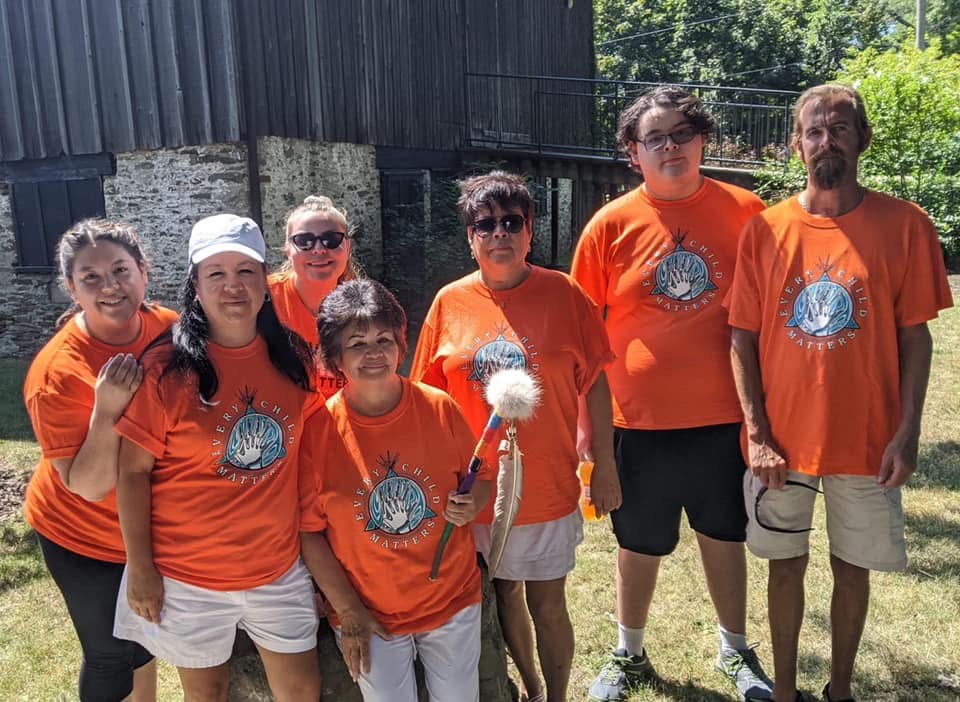
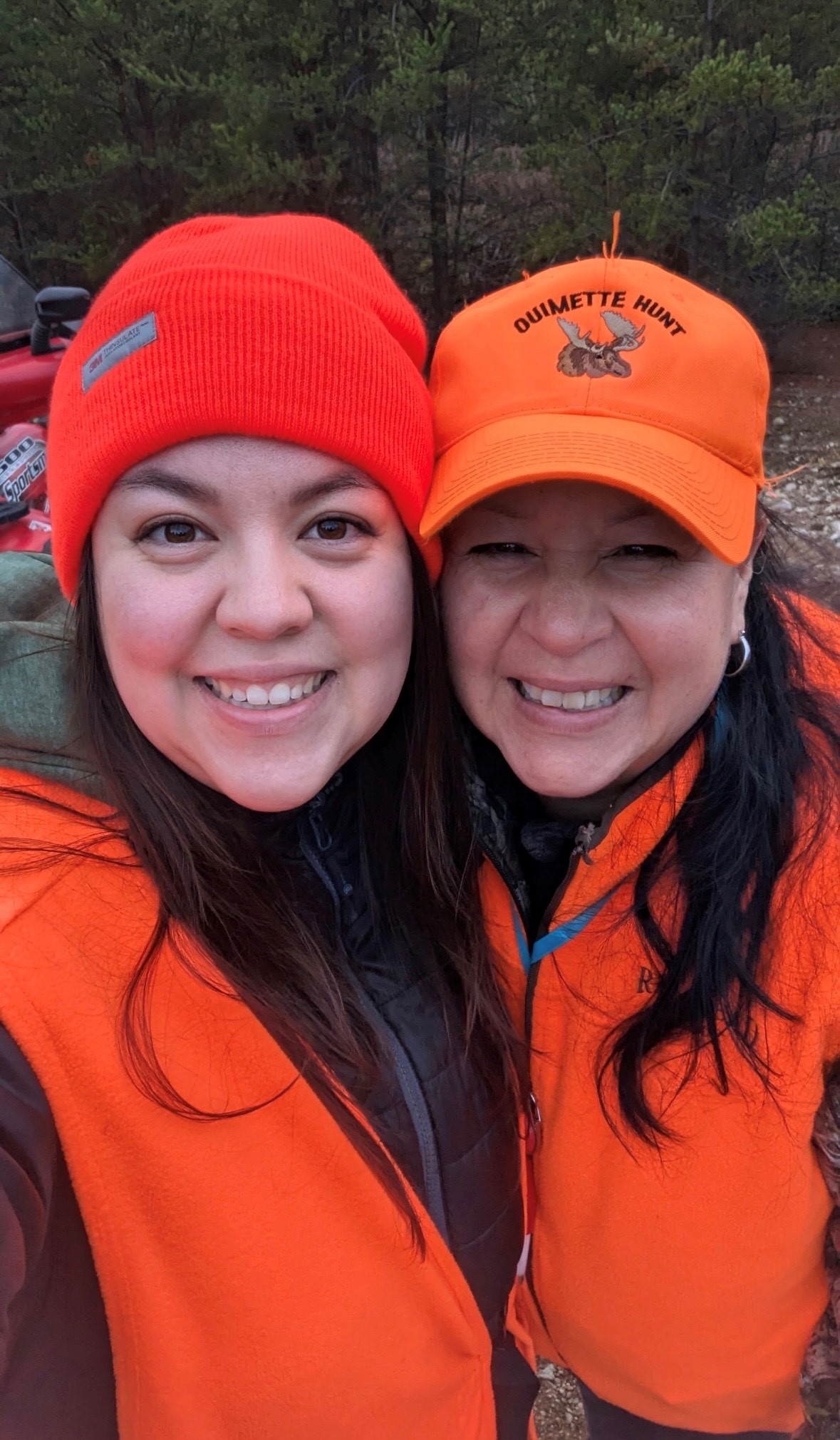
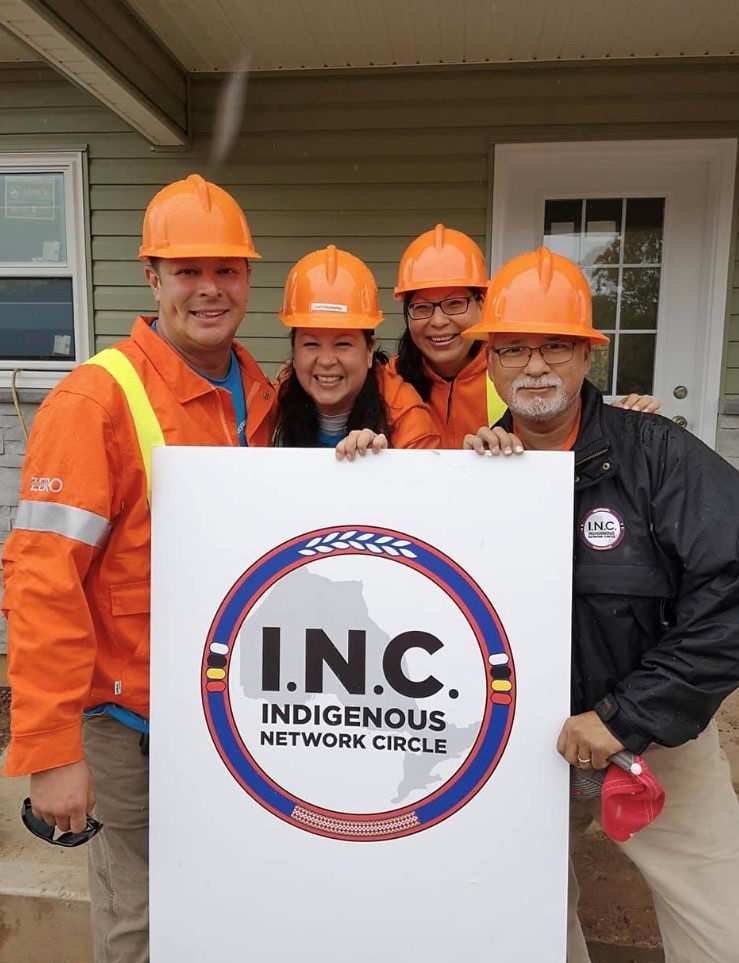
Lori’s understanding of her family history deepened in unexpected ways. While volunteering on a housing project in her home community, she came across a book documenting the history of Chippewas of Nawash. Through it, she learned about her grandfather’s Potawatomi roots and the journey that brought her maternal family to Canada generations earlier.
“It helped me understand where my grandfather came from,” she says. “It filled in pieces I didn’t know.”
Her learning continues at its own pace.
“It’s taken me a long time to get here,” she says. “But I’m learning.”
Lori’s story is not shaped by a single moment of return or rediscovery. It has unfolded slowly, through time, work, family, and the city she has known all her life.
Mississauga is where she learned how to move through the world. Where she asked early questions without clear answers. Where she built a career, raised her children, and gradually found community in places that had not always made space for her.
The streets she grew up on still carry Indigenous names. For Lori, those names are no longer distant markers. They are reminders of presence, history, and belonging, whether or not they are named.
Her learning continues. Not as something finished, but as something lived.