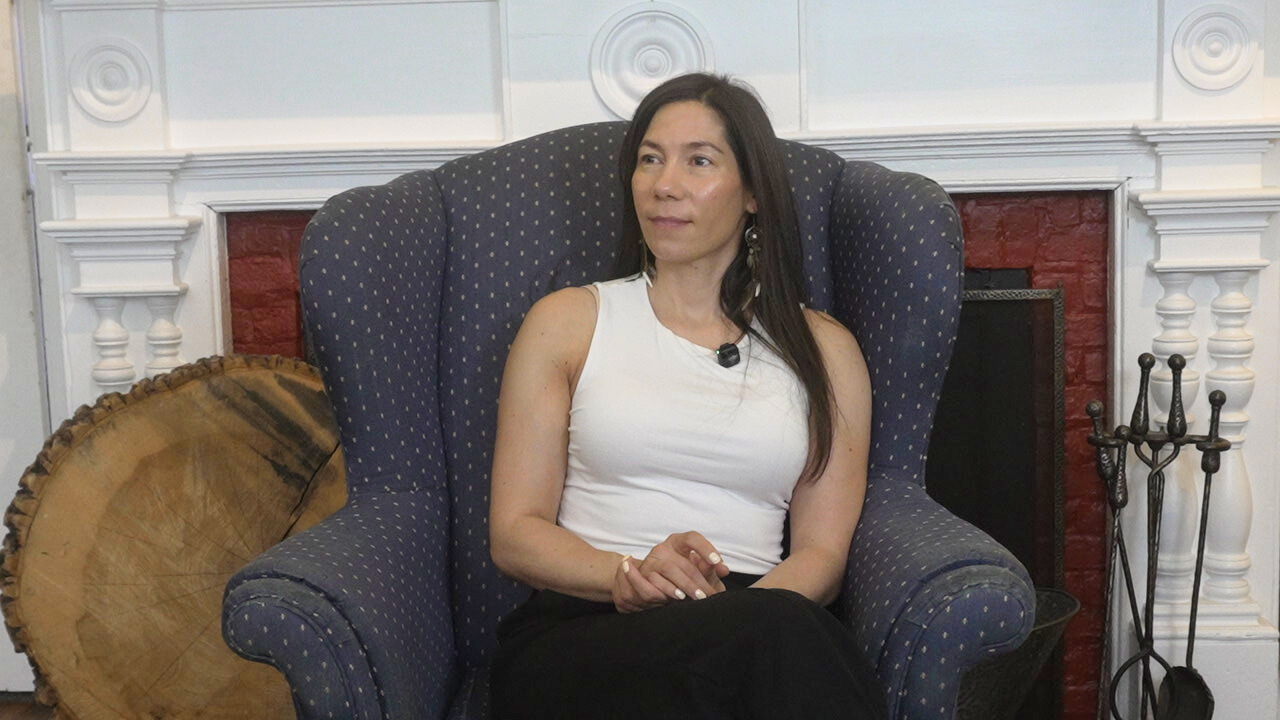


A HERITAGE MISSISSAUGA PROFILE ON CRYSTAL SCHRAM
WRITTEN BY: MEGHAN MACKINTOSH
What she does not say right away, but what shapes everything that follows, is that she was forced into adulthood long before she was ready. Loss, instability, and responsibility arrived early. By her mid-teens, Crystal was already making decisions about survival, care, and direction that most people do not face until much later, if at all.
She did not frame this as tragedy. She framed it as certainty.
“I always knew from a young age,” she says, “I’m not going to be like this. I’m not going to stay here.”
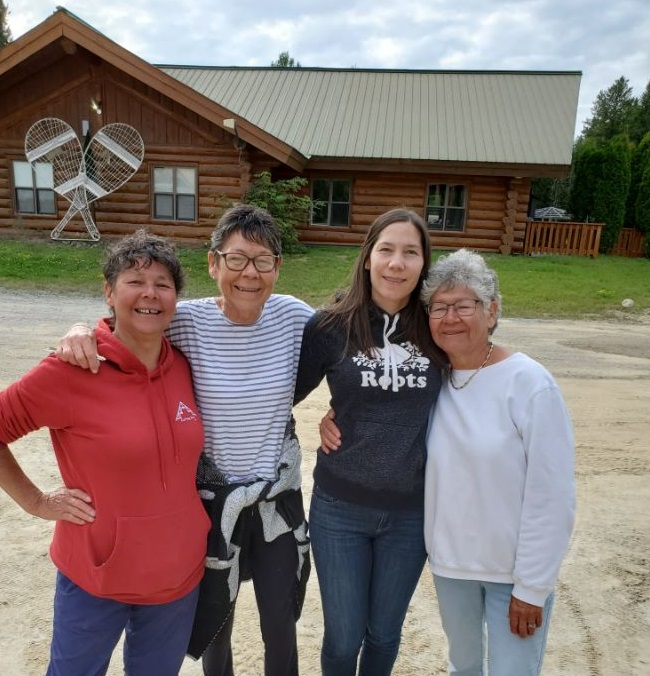
Crystal was born and raised in Kirkland Lake, a mining town several hours north of Toronto. Her family connections extended across large networks of aunts, uncles, and cousins on both sides, as is common in many Indigenous families. As a child, that meant a sense of belonging and shared experience. As circumstances changed, it also meant navigating absence.
After her father passed away, life became increasingly unstable. Housing shifted often. Schools changed. There were stretches of uncertainty that left Crystal, still a child herself, caring for younger siblings and learning to manage adult responsibilities.
“I was on my own from sixteen,” she says plainly.
At that age, she was already working, saving, and thinking ahead. Not because she was encouraged to, but because there was no other option.
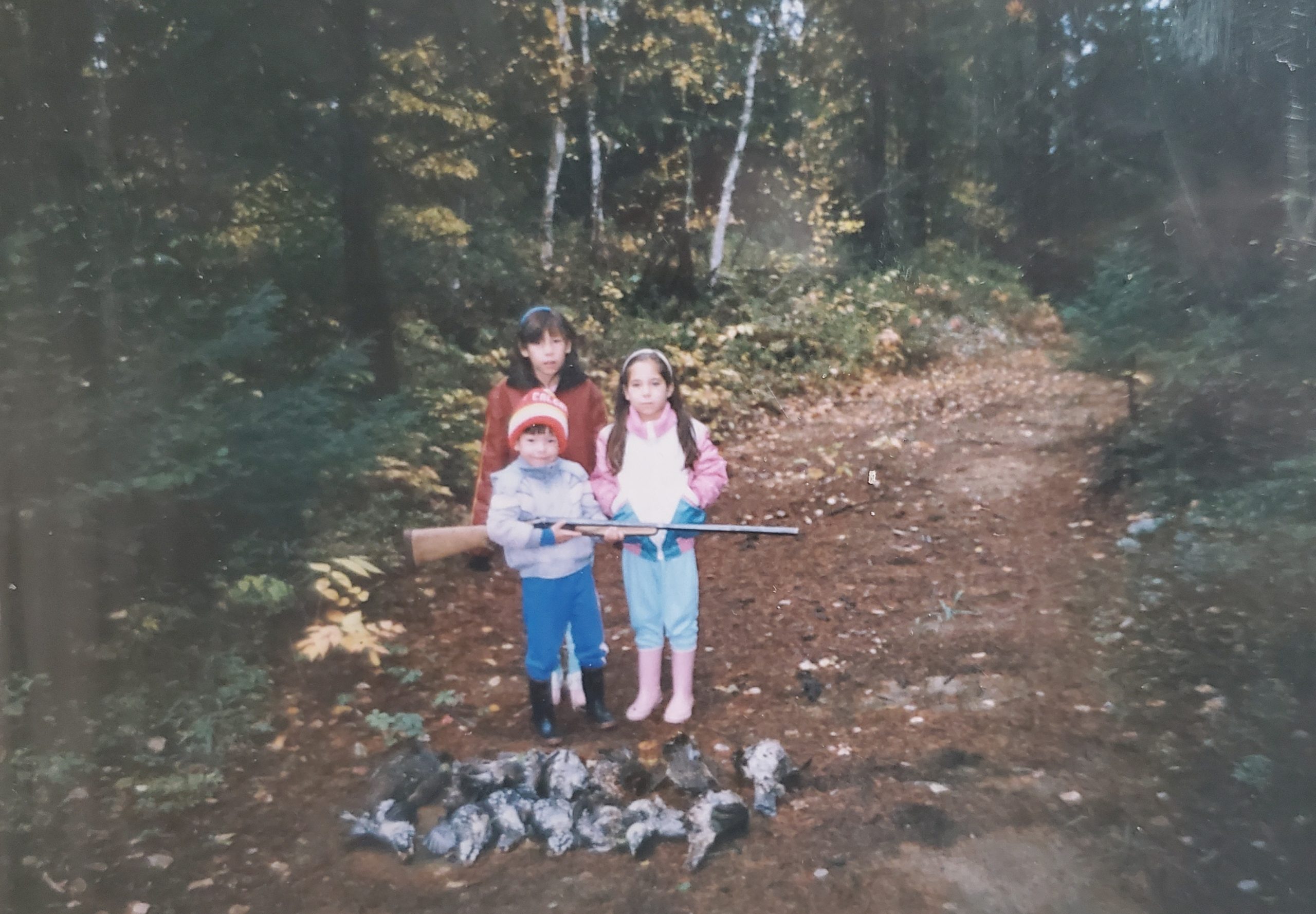
What grounded her during those years was the land. Hunting and fishing were constants. She learned how to shoot, how to clean fish, how to cook food over an open fire. These were not presented as cultural lessons at the time. They were simply how life worked.
Looking back, she understands their significance differently.
“That connection was always there,” she says. “Even when everything else wasn’t stable.”
Crystal left the north at seventeen to attend college in Toronto. Fashion design drew her in, first through school classes, then through television, magazines, and the idea that creativity could be a way forward.
“I was always creative,” she says. “I didn’t even have a sewing machine at first. But once I learned, I couldn’t stop.”
Toronto represented possibility. It also represented distance. She did not return north to live again, though family ties remained, and visits continued. What mattered was that she had chosen movement over stasis.
She built a life that, from the outside, followed a familiar pattern: education, steady work, partnership, home, child. For twenty-five years, she and her partner built a shared life that offered stability she had never known growing up.
“It looked like the perfect progression,” she says. “And in a lot of ways, it was safe.”
Safety mattered deeply to someone who had grown up without it.

Motherhood changed Crystal in ways she did not anticipate.
Her daughter was born under urgent circumstances, and from that moment on, Crystal became fiercely attentive to providing what she herself had lacked. Not only materially, but emotionally.
“I overcompensate,” she admits, without apology. “I know that I do.”
Food became one of the clearest places where memory surfaced. When her daughter once counted croissants to make sure there would be enough for the week, Crystal reacted instinctively.
“I said, ‘No. You eat them. You can eat all of them.’ And I went back to the store and bought more.”
Only later did she recognize the reaction for what it was: a response shaped by childhood scarcity, by the fear of not having enough, even when abundance is now secure. These moments appear quietly, unexpectedly. Laundry detergent stocked in excess. Guilt over a child taking public transit. A need to ensure comfort before discomfort can ever take hold.
“I know logically that we’re okay,” she says. “But those things stay with you.” What she is careful to emphasize is that her daughter is not burdened by this history. Instead, she is invited into understanding.
“I want her to know where I come from,” Crystal says. “Not so she carries it. So she understands it.”
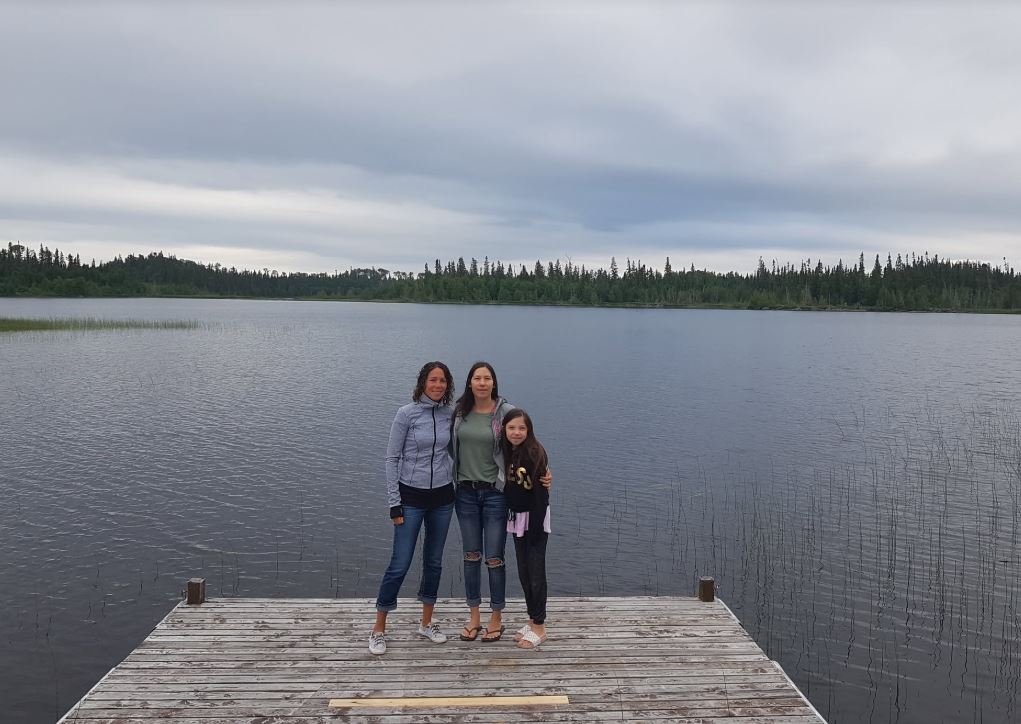
Crystal has worked in Mississauga for two decades, rising steadily through the ranks of the apparel and manufacturing industry. Mentorship played a significant role in that journey. She speaks often of the man she works for as someone who modelled discipline, organization, and long-term thinking.
“He showed me how things could be run,” she says. “How to think ahead. How to manage responsibility.”
When she launched her own Indigenous-owned business, First Nations Sourcing, it was not out of ambition alone, but necessity. Following a personal separation, financial stability became uncertain. What followed was persistence.
“It took thirteen months to get my first order,” she says. “Thirteen months of showing up, going to events, making connections.”
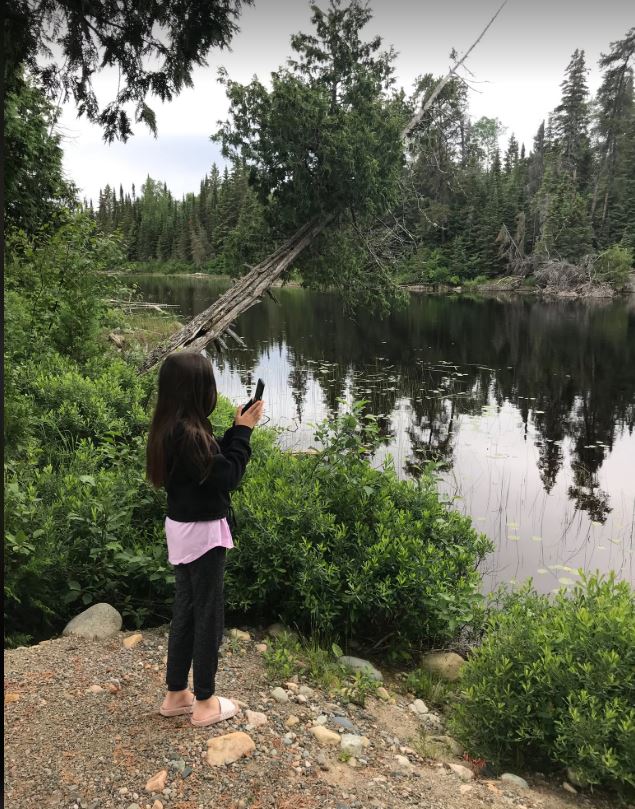
Her position as an Indigenous woman in business brings both opportunity and frustration. While reconciliation has opened doors, she is clear-eyed about the difference between symbolic inclusion and genuine partnership.
“Some companies show up because they’re supposed to,” she says. “Others actually want to build something.”
She notices the difference immediately.
For Crystal, reconciliation begins with education and acknowledgement. Not only for others, but for herself.
“I didn’t even know about residential schools until I was in my thirties,” she says. “That says a lot.”
What concerns her most is what may be lost if language, stories, and everyday knowledge are not carried forward.
“When we lose the language,” she says, “we lose everything with it.”
Crystal does not describe herself as extraordinary. She does not frame her life as a story of triumph. She speaks instead of choices. Of limits. Of learning when to help and when to step back.
“You don’t have to be a product of your environment,” she says. “You can decide something different.”
That decision has shaped how she works, how she parents, and how she understands her place in the world. She remains connected to the north, to family, to memory. She also remains firmly rooted in the present, in Mississauga, in a life she built deliberately.
What remains is not the hardship, but the clarity it produced.
What continues is the work of carrying forward what matters, without repeating what does not.